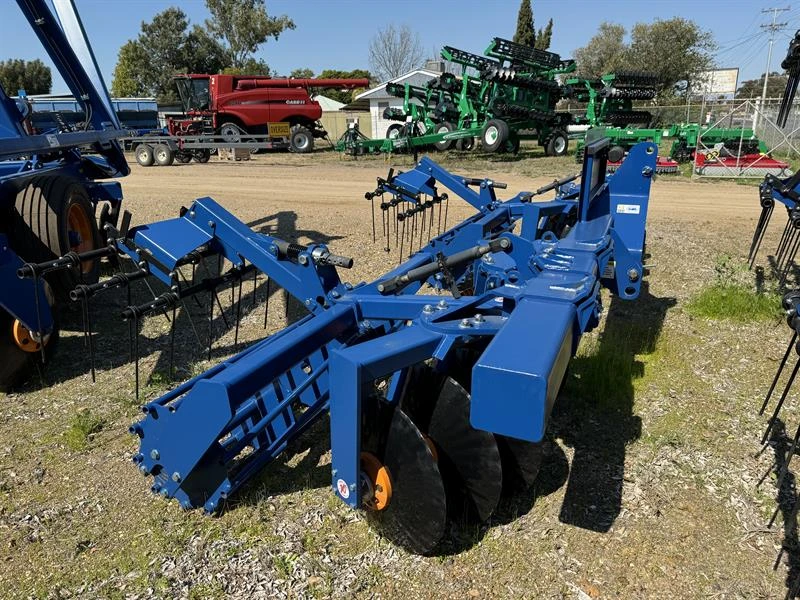
Seasonal agronomy planning is one of the most important factors influencing crop performance, input efficiency, and long-term soil health in Southern Queensland. With highly variable rainfall, changing climate patterns, and rising input costs, growers can no longer rely on a one-size-fits-all approach. Instead, successful farming operations are built on forward planning, data-driven decisions, and agronomy strategies that adapt to each season’s conditions.
Seasonal agronomy planning helps farmers align soil health, crop choice, and management practices with expected weather patterns and paddock conditions. By understanding how each season impacts soil moisture, nutrient availability, weed pressure, and crop development, growers can reduce risk and improve profitability year after year.
Understanding Seasonal Conditions in Southern Queensland
Southern Queensland is characterised by a subtropical climate with distinct seasonal challenges. Rainfall can be unpredictable, temperatures fluctuate significantly, and soil conditions vary widely between regions and paddocks.
Effective agronomy planning in Southern Queensland starts with understanding seasonal variability rather than relying on calendar dates alone. Decisions around planting, fertiliser application, cultivation, and pest management must be responsive to both historical data and current seasonal forecasts.
Key factors that influence seasonal planning include:
- Rainfall timing and distribution
- Soil moisture levels and profile depth
- Temperature extremes and frost risk
- Weed, pest, and disease cycles
- Residual soil nutrients from previous crops
Agronomy planning is about balancing opportunity and risk while maximising the return on every input.
Summer Agronomy Planning (December to February)
Summer is often the most challenging season for growers in Southern Queensland due to heat stress, storm variability, and intense weed pressure.
Key Agronomy Considerations in Summer
- Managing soil moisture after storm rainfall
- Controlling summer weeds before seed set
- Monitoring nitrogen losses through leaching or volatilisation
- Preparing paddocks for the following season
For growers running summer crops such as sorghum or forage systems, close monitoring of crop stress, nutrient availability, and pest pressure is essential. Even in fallow paddocks, strategic weed management during summer directly impacts stored soil moisture and nitrogen availability for winter crops.
Strategic agronomy advice during summer helps reduce unnecessary chemical costs while protecting soil structure and organic matter.
Autumn Agronomy Planning (March to May)
Autumn is a critical transition period where decisions can strongly influence winter crop establishment and yield potential.
Key Agronomy Priorities in Autumn
- Pre-plant soil testing and nutrient analysis
- Final weed knockdown programs
- Crop selection based on stored moisture
- Planting window assessment
Autumn agronomy planning is where soil testing plays a critical role in reducing fertiliser waste and improving crop nutrition efficiency.
Soil testing in autumn allows growers to:
- Identify residual nitrogen and phosphorus
- Adjust fertiliser rates to seasonal conditions
- Avoid over-application in moisture-limited years
Autumn is also when agronomists assess long-range forecasts and help growers balance optimism with caution. Selecting the right crop type and variety based on moisture profiles can significantly reduce downside risk.
Winter Agronomy Planning (June to August)
Winter cropping systems dominate many parts of Southern Queensland, making this season particularly important for agronomy management.
Winter Agronomy Focus Areas
- Crop establishment and early vigour
- Nitrogen timing and top-dressing decisions
- Disease monitoring in cereals and pulses
- Frost risk assessment
Seasonal agronomy planning during winter ensures crops are supported through critical growth stages without overspending on inputs.
Cold temperatures can slow nutrient uptake, while frost events may limit yield potential. Agronomists help growers make informed decisions about whether additional inputs will deliver a return based on crop condition and seasonal outlook.
Disease management is also vital during winter, particularly in cereal crops where early detection and targeted intervention can prevent yield losses.
Spring Agronomy Planning (September to November)
Spring is the season where yield potential is either realised or lost. Agronomy decisions during this period must be precise and timely.
Spring Agronomy Challenges
- Heat and moisture stress during grain fill
- Late-season pest outbreaks
- Nitrogen use efficiency
- Harvest planning and logistics
Spring agronomy planning focuses on protecting yield potential while preparing for harvest and the next cropping cycle.
Agronomists assist growers in:
- Assessing whether late nitrogen applications are economical
- Managing pests such as aphids and heliothis
- Reducing lodging risk
- Planning post-harvest residue management
Decisions made in spring also influence the following season, particularly in relation to stubble management and soil structure preservation.
The Role of Soil Testing in Seasonal Planning
Soil testing underpins every successful agronomy plan, regardless of the season.
Regular soil testing allows agronomy decisions to be based on data rather than assumptions. In Southern Queensland’s variable climate, nutrient availability can change rapidly depending on rainfall and crop history.
Benefits of seasonal soil testing include:
- Accurate fertiliser budgeting
- Improved nutrient placement and timing
- Better crop response predictions
- Reduced environmental impact
By aligning soil test results with seasonal forecasts, growers can adjust inputs to suit both crop demand and moisture availability.
Equipment and Cultivation Timing
Seasonal agronomy planning is closely linked to cultivation and equipment use.
Using the right equipment at the right time supports soil health and improves seasonal outcomes. Overworking soil during dry conditions or compaction-prone periods can reduce infiltration and root development.
Equipment decisions often include:
- Stubble management tools
- Light cultivation for weed control
- Wheel track renovation after harvest
Timing these operations correctly helps maintain soil structure and supports better crop establishment in future seasons.
Integrating Farm Management with Agronomy Planning
Agronomy planning does not exist in isolation. It must align with broader farm management goals, cash flow, labour availability, and long-term sustainability.
Seasonal agronomy planning works best when integrated with whole-farm management strategies.
This includes:
- Input cost control
- Risk management
- Crop rotation planning
- Long-term soil health improvement
By taking a whole-farm view, agronomists help growers make decisions that balance immediate returns with long-term productivity.
Why Local Agronomy Advice Matters in Southern Queensland
No two seasons are the same, and no two farms respond identically to seasonal conditions.
Local agronomy expertise is essential for navigating Southern Queensland’s climate variability. Understanding local soil types, historical weather patterns, and regional cropping systems allows agronomists to tailor advice that is both practical and effective.
Working with a local agronomy team means:
- Faster response to seasonal changes
- Advice based on real paddock conditions
- Better alignment with regional best practices
This local knowledge often makes the difference between average and exceptional results.
Final Thoughts: Planning Ahead for Seasonal Success
Seasonal agronomy planning is not about predicting the future—it is about being prepared for it. In Southern Queensland’s variable environment, flexibility, data, and expert guidance are key to managing risk and maximising opportunity.
By reviewing seasonal conditions, conducting regular soil testing, using appropriate equipment, and integrating agronomy advice into whole-farm planning, growers can confidently navigate each season as it unfolds.