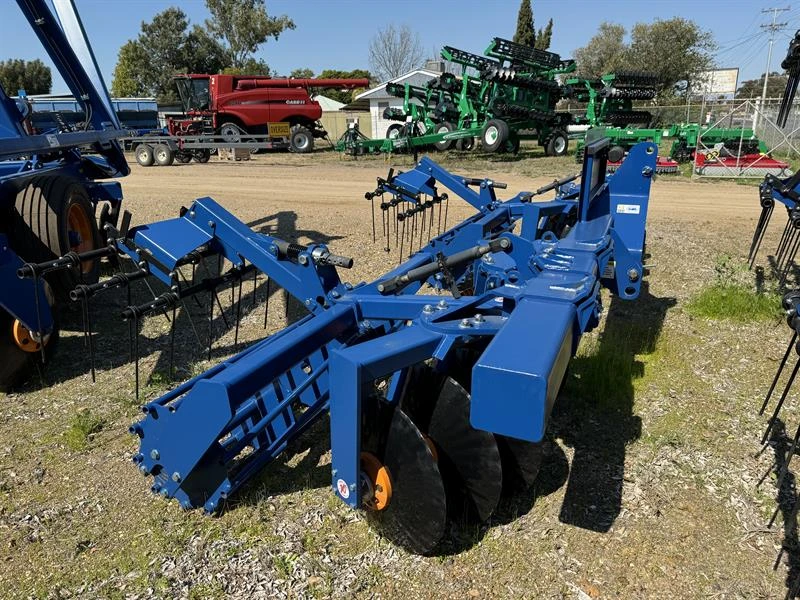
How often to test soil on grazing properties is one of the most important management questions for producers who rely on healthy, productive pastures. Regular and well-timed soil testing allows landholders to monitor nutrient levels, track soil pH changes, and make informed fertiliser and pasture decisions that support long-term grazing performance.
Healthy soil is the foundation of productive pastures, profitable livestock, and long-term farm sustainability. For a deeper explanation of the role soil plays in pasture productivity, see Why Soil Testing Is Essential.
Yet many grazing properties operate with little or outdated information about their soil condition. Regular soil testing removes the guesswork from pasture management and allows farmers to make confident, cost-effective decisions.
But how often should soil actually be tested on a grazing property? The answer depends on your production goals, soil condition, and management intensity — and getting it right can significantly improve pasture performance and farm profitability.
How Often to Test Soil on Grazing Properties
Soil testing provides a detailed snapshot of your soil’s health, measuring key factors such as:
- pH levels
- Nitrogen, phosphorus, potassium, and trace elements
- Organic matter content
- Salinity and sodicity
- Soil structure and compaction indicators
These results guide fertiliser programs, pasture species selection, grazing management, and renovation planning. Without accurate soil data, farmers often overspend on inputs while underperforming on production.
General Rule: How Often Should Grazing Properties Test Soil?
Minimum recommendation:
Every 2–3 years
Best practice for active grazing systems:
Every 12–24 months
High-intensity or renovated paddocks:
Annually
This frequency allows farmers to track nutrient trends, detect emerging problems early, and fine-tune pasture management before productivity declines. Understanding how often to test soil on grazing properties ensures fertiliser decisions are based on evidence rather than guesswork.
When You Should Test More Frequently
These situations often determine how often to test soil on grazing properties across different paddocks and seasons. Certain situations require more regular soil monitoring:
1️⃣ After Pasture Renovation
Renovated paddocks should be tested annually for the first 2–3 years to ensure nutrients and pH remain within optimal ranges while new pasture establishes.
2️⃣ Following Heavy Stocking or Drought
High grazing pressure and drought significantly impact soil nutrients and structure. Post-event testing helps rebuild pasture efficiently.
3️⃣ When Establishing New Pastures or Crops
Soil testing before planting and again after establishment ensures successful germination and long-term productivity.
4️⃣ If Production Has Declined
Reduced pasture growth, increased weed invasion, or falling livestock performance are strong indicators that soil conditions have shifted.
How Seasonal Conditions Affect Testing Frequency
In regions with variable rainfall and temperature — such as much of Queensland — soil nutrient movement can change rapidly. Testing at the same time each year (typically late summer or early autumn) ensures consistent data comparisons and reliable planning.
Common Mistakes Farmers Make
- Testing only when problems appear
- Ignoring historical soil data trends
- Skipping soil testing before fertilising
- Assuming neighbouring properties have the same soil needs
These mistakes often result in wasted fertiliser, poor pasture establishment, and lost productivity.
How Regular Soil Testing Improves Grazing Performance
Routine testing enables farmers to:
- Maximise pasture yield and feed quality
- Improve livestock weight gain and carrying capacity
- Reduce fertiliser waste and costs
- Prevent soil degradation
- Build long-term soil resilience
The return on investment from regular soil testing is consistently one of the highest of any farm input. Deciding how often you should test soil on grazing properties is a key driver of long-term pasture profitability.
Soil Testing as Part of a Whole-Farm Strategy
This approach aligns closely with How Soil Testing Powers Targeted Agronomy, which explains how test results drive precise input decisions.
Soil testing works best when combined with:
- Pasture renovation programs
- Grizzly renovator operations
- Kelly chain soil preparation
- Strategic grazing management
- Ongoing agronomy support
Together, these systems create strong, productive pastures capable of withstanding climate stress and market fluctuations.
Ready to Optimise Your Pastures?
If you’re unsure when your soil was last tested — or if your pastures are not performing at their best — now is the time to act. Regular soil testing provides clarity, confidence, and measurable results for your grazing operation.
Contact your local agronomy team today to schedule a soil assessment and start building healthier, more productive pastures.