Reduce farm input costs without reducing production has become one of the biggest challenges for grazing enterprises across Queensland. Rising fertiliser prices, fuel costs, labour shortages, and volatile market conditions have placed increasing pressure on producers, forcing many to choose between maintaining production or cutting spending and risking declines in pasture performance, livestock productivity, and profitability.
However, reducing input costs does not have to mean sacrificing production. In fact, some of the most successful farms in the Lockyer Valley and Darling Downs have managed to lower their overall input expenditure while increasing pasture productivity and carrying capacity.
The key is not simply spending less — it is spending smarter.
This article explains how strategic soil testing, targeted fertiliser use, pasture renovation, improved grazing management, and the right pasture species selection can significantly reduce input costs while maintaining — or even improving — production on grazing properties around Withcott.e renovation, improved grazing management, and the right pasture species selection can significantly reduce input costs while maintaining — or even improving — production on grazing properties around Withcott.
Why Cutting Inputs Blindly Fails to Reduce Farm Input Costs
When input prices rise, many farmers instinctively respond by reducing fertiliser application, delaying soil amendments, or skipping pasture renovation altogether. While this may provide short-term savings, it often leads to long-term losses.
Common consequences of indiscriminate input cuts include:
- Declining pasture quality and density
- Increased weed invasion
- Lower livestock weight gains
- Reduced carrying capacity
- Higher supplementation costs
- Greater need for expensive renovation later
In some districts, these problems are closely linked to pasture dieback, which can quietly undermine productivity while increasing costs.
In many cases, producers end up spending more in the long run to repair degraded pastures than they would have spent on preventative management.
The goal should not be to reduce inputs at all costs — but to use inputs more efficiently and strategically.ding more in the long run to repair degraded pastures than they would have spent on preventative management.
The goal should not be to reduce inputs at all costs — but to use inputs more efficiently and strategically.
The Role of Soil Testing in Reducing Input Costs
Soil testing is the foundation of cost-effective pasture management. Instead of guessing what your paddocks need, soil testing provides precise data on nutrient levels, pH, organic matter, and soil structure.
Regular soil analysis helps reduce farm input costs by ensuring fertiliser is applied only where it delivers a return.
A comprehensive soil test allows producers to:
- Apply fertiliser only where it is truly needed
- Avoid over-application of expensive nutrients
- Identify areas that require lime or gypsum
- Pinpoint problem paddocks rather than treating the entire farm uniformly
- Make informed, data-driven decisions
For grazing properties in Withcott, soil conditions can vary significantly from paddock to paddock. Without soil testing, farmers often apply blanket fertiliser programs that waste money in some areas while under-treating others.
By testing regularly — ideally every 12 to 24 months — producers can track nutrient trends, prevent deficiencies before they impact production, and avoid unnecessary expenditure.
For more detail, see our guide on how often to test soil.cers can track nutrient trends, prevent deficiencies before they impact production, and avoid unnecessary expenditure.
Targeted Fertiliser Use Saves Money and Boosts Results
One of the most powerful ways to reduce input costs is to move from blanket fertiliser application to targeted nutrient management.
Rather than spreading fertiliser evenly across the property, soil testing enables farmers to focus inputs on:
- High-performing paddocks
- Areas with productive soils
- Paddocks under intensive grazing
- Fields scheduled for renovation or reseeding
In some cases, producers discover they can significantly reduce fertiliser use in low-return paddocks while increasing investment in high-value areas that deliver better productivity per dollar spent.
Targeted nutrient programs are one of the most effective ways to reduce farm input costs while maintaining pasture performance.
Where available, variable-rate fertiliser application can further improve efficiency by adjusting nutrient levels across different soil zones within a single paddock.
The result is lower overall fertiliser expenditure without reducing pasture performance. Avoiding common errors in this process is critical — we outline the biggest pitfalls in Top mistakes farmers make when renovating pastures.
Pasture Renovation as a Cost-Saving Strategy
While pasture renovation may appear expensive upfront, it is one of the most effective long-term cost-saving strategies for grazing enterprises.
Well-renovated pastures:
- Produce more forage per hectare
- Improve feed quality
- Reduce weed pressure
- Increase carrying capacity
- Lower reliance on supplementary feeding
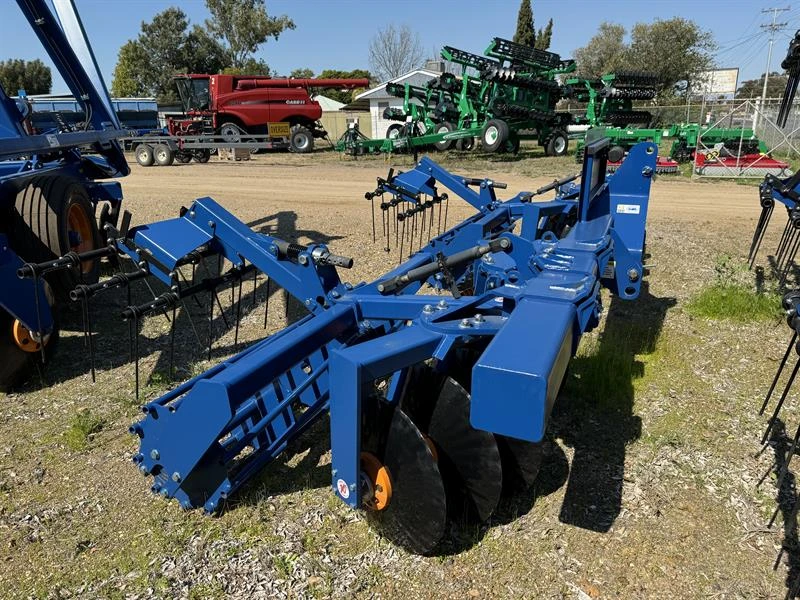
Tools such as Grizzly renovators and Kelly chains play a crucial role in this process by preparing the soil properly, improving seed-to-soil contact, and encouraging even pasture establishment.
Rather than constantly battling declining pastures with increasing fertiliser inputs, strategic renovation helps reset the system, allowing pastures to perform better with fewer ongoing inputs.
Poor renovation timing is one of the biggest cost traps — our Pasture renovation calendar for the Lockyer Valley explains exactly when to renovate for best results.
When renovation is timed correctly, it can reduce farm input costs by restoring pasture performance with fewer ongoing inputs.uts.
Grazing Management: A Low-Cost Productivity Lever
Good grazing management is one of the most cost-effective tools for reducing input dependency.
Overgrazing damages pasture plants, weakens root systems, and reduces ground cover — all of which increase the need for fertiliser, weed control, and renovation.
Improved grazing systems help reduce farm input costs by maximising pasture utilisation and lowering reliance on external feed.
By implementing rotational grazing systems, producers can:
- Allow pastures to recover between grazing events
- Improve root development and resilience
- Increase natural nutrient cycling
- Reduce bare ground and erosion
- Maintain higher forage availability
This not only improves pasture productivity but also reduces the need for external inputs. It also helps reduce weed pressure, which can otherwise drive up herbicide and management costs — see our guide to Top 10 common weeds in Queensland farms and how to control them.
Choosing the Right Pasture Species for Withcott Conditions
Selecting pasture species that are well adapted to local soils and climate is one of the most effective ways to reduce input requirements.
In Withcott, successful pasture systems often include a mix of:
Warm-season grasses
- Rhodes grass
- Green panic
- Setaria
- Buffel grass
Cool-season species
- Annual ryegrass
- Oats
- Barley
Legumes
- Lucerne
- Sub clover
- Medics
Legumes naturally fix nitrogen in the soil, reducing reliance on synthetic fertilisers while improving feed quality.
By choosing species that thrive in local conditions, producers can maintain strong pasture performance with fewer external inputs. We compare the best-performing options for local conditions in Best pasture species for Withcott.
Improving Soil Health Reduces Long-Term Costs
Healthy soils naturally support better pasture growth, which in turn reduces the need for expensive fertilisers and supplements.
Key strategies for improving soil health include:
- Maintaining organic matter through good grazing practices
- Minimising soil disturbance
- Encouraging deep-rooted pasture species
- Avoiding overstocking
- Using soil amendments where necessary
Healthy soils hold nutrients more effectively, retain moisture longer, and support stronger pasture plants — all of which reduce input dependency over time.
Preventing Problems Is Cheaper Than Fixing Them
One of the most overlooked ways to reduce input costs is to focus on prevention rather than reaction.
Regular soil testing, monitoring pasture performance, and proactive management help identify issues early before they escalate into major problems.
For example:
- Addressing soil acidity early prevents long-term pasture decline
- Controlling weeds before they dominate reduces herbicide costs
- Renovating weak paddocks before total pasture failure avoids expensive full reseeding
By staying ahead of potential issues, producers can avoid costly emergency interventions.
Practical Steps Farmers Can Take Today
Farmers looking to reduce input costs while maintaining production can start with these practical steps:
- Conduct comprehensive soil testing across key paddocks
- Work with an agronomist to interpret results
- Apply fertiliser strategically rather than uniformly
- Prioritise pasture renovation in low-performing areas
- Implement rotational grazing where possible
- Select pasture species suited to Withcott conditions
- Monitor pasture performance regularly
Even small changes in management can lead to significant cost savings over time.
Why This Matters for Withcott Producers
Withcott’s variable rainfall, mixed soil types, and seasonal extremes make efficient input use especially important.
Farmers in this region often face:
- Periods of drought stress
- Intense summer storms
- Heavy grazing pressure
- Fluctuating feed availability
By adopting data-driven management practices such as soil testing and strategic renovation, local producers can build resilient pasture systems that perform reliably under these conditions.trategic renovation, local producers can build resilient pasture systems that perform reliably under these conditions.
The Business Case for Smarter Inputs
Reducing input costs is not just about saving money — it is about improving overall farm profitability.
When inputs are used efficiently, producers benefit from:
- Lower fertiliser and chemical costs
- Reduced reliance on supplementary feed
- Higher carrying capacity
- Better livestock performance
- More stable production across seasons
In many cases, farms that invest in soil testing, pasture renovation, and improved grazing management actually see higher returns than those that simply cut spending.
How Dawson Ag Can Help
If your goal is to lower input costs without sacrificing production, professional support can make a significant difference.
Dawson Ag provides:
- Soil testing and analysis
- Pasture assessment and planning
- Grizzly renovator hire
- Kelly chain hire
- Agronomy advice tailored to Withcott conditions
By combining technical expertise with practical on-farm solutions, Dawson Ag helps producers make smarter decisions that deliver measurable results.n-farm solutions, Dawson Ag helps producers make smarter decisions that deliver measurable results.
Conclusion: Spend Smarter, Not Less
Reducing input costs does not mean cutting corners. It means making informed, strategic decisions based on real data and proven management principles.
Producers who consistently reduce farm input costs through smarter management are better positioned to maintain profitability in volatile markets.
Through regular soil testing, targeted fertiliser use, pasture renovation, improved grazing management, and the right species selection, grazing properties around Withcott can maintain — and often increase — production while lowering overall input expenditure.
The farms that thrive in today’s economic climate are not those that simply spend the least — but those that use their inputs most effectively.
If you want to reduce input costs while maintaining strong pasture performance, now is the time to take a more strategic approach. The ability to reduce farm input costs without sacrificing production is what separates resilient grazing businesses from those under constant financial pressure.