Agriculture in Southern Queensland is evolving rapidly. Rising input costs, unpredictable weather patterns, soil health challenges, and increasing pressure to maximise yields mean growers can no longer rely on guesswork or outdated practices. In 2026 and beyond, successful farming is driven by data, strategy, and expert decision-making — and that’s where agronomy plays a vital role.
Agronomy is more than just crop advice. It is the science and practice of optimising soil, crops, and farm systems to improve productivity, profitability, and long-term sustainability. For growers across Southern Queensland and Northern New South Wales, independent agronomy services are becoming essential tools for staying competitive in a challenging agricultural landscape.
In this article, we explore what agronomy is, why it matters more than ever, and how expert agronomic support can transform modern farming operations.
What Is Agronomy?
Agronomy is the science of soil management and crop production. It combines knowledge of soil health, plant biology, climate conditions, and farming systems to help growers make informed decisions throughout the season.
Modern agronomy focuses on:
- Soil testing and analysis
- Crop nutrition and fertiliser strategies
- Seed selection and planting plans
- Weed, pest, and disease management
- Yield optimisation
- Risk management and seasonal planning
Rather than applying one-size-fits-all solutions, agronomy tailors strategies to each paddock, crop type, and season. The goal is to improve efficiency, reduce waste, protect soil health, and maximise return on investment.
Why Agronomy Is More Important Than Ever in 2026
1. Rising Input Costs
Fertiliser, fuel, seed, and chemical costs continue to increase year after year. Poor decisions can quickly erode margins. Agronomy helps growers:
- Apply nutrients only where needed
- Avoid over-application of fertilisers
- Improve input efficiency
- Reduce unnecessary costs
Precision agronomy ensures every dollar spent contributes to measurable outcomes.
Climate Variability and Seasonal Risk
Southern Queensland growers are no strangers to variable rainfall, extreme temperatures, and unpredictable seasons. Agronomy helps manage risk by:
- Adjusting crop plans based on seasonal forecasts
- Selecting crop varieties suited to conditions
- Timing planting and inputs more effectively
- Planning for dry or wet cycles
3. Soil Health Is Under Pressure
Healthy soil is the foundation of profitable farming, yet many paddocks suffer from:
- Nutrient imbalances
- Compaction
- Declining organic matter
- pH issues
Agronomy places soil health at the centre of decision-making. Through soil testing, monitoring, and tailored management plans, agronomists help rebuild soil structure, fertility, and resilience over time.
The Role of Soil Testing in Agronomy
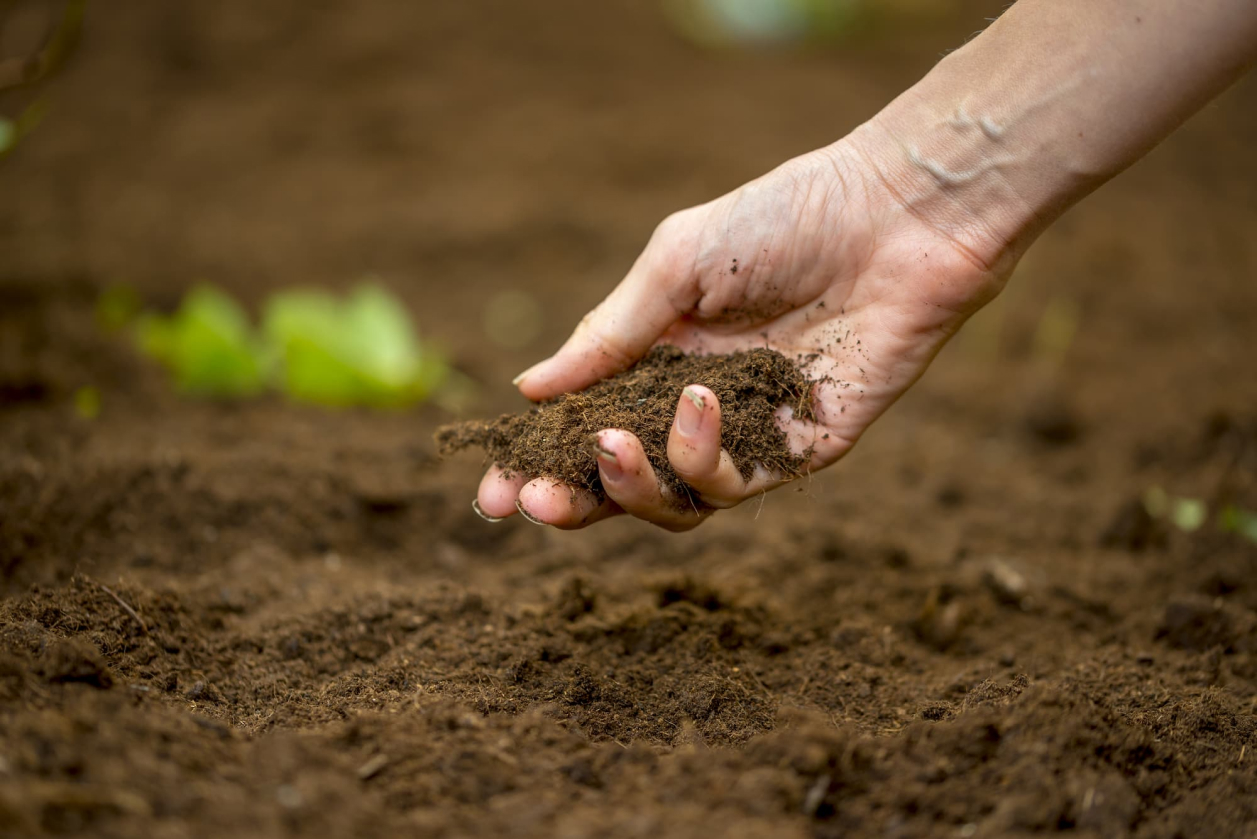
Soil testing is one of the most powerful tools in agronomy. It provides accurate data about what is happening below the surface — information that cannot be reliably guessed.
What Soil Testing Reveals
- pH levels
- Macronutrients (N, P, K)
- Micronutrients (zinc, copper, boron, etc.)
- Organic carbon levels
- Soil texture and structure
This data allows agronomists to develop precise fertiliser strategies that target deficiencies without overspending.
Why Guesswork Costs More
Applying fertiliser without soil data often leads to:
- Over-application
- Nutrient lock-up
- Reduced crop response
- Wasted inputs
In contrast, agronomy-led soil testing ensures inputs are applied where they deliver the greatest return.
Independent Agronomy vs Product-Driven Advice
One of the most important decisions growers can make is choosing independent agronomy advice.
Independent agronomists, like Dawson Ag, are not tied to product sales. Their recommendations are based on:
- Data
- Field experience
- Crop performance
- Long-term outcomes
This independence ensures advice is unbiased and focused solely on what is best for the farm, not what needs to be sold.
How Agronomy Improves Crop Performance
Agronomy supports every stage of the cropping cycle:
Pre-Planting
- Soil testing and paddock assessment
- Crop selection and rotation planning
- Fertiliser strategy development
- Paddock preparation advice
In-Season
Crop monitoring
Nutrient adjustments
Pest and disease management
Seasonal strategy updates
Post-Harvest
- Yield analysis
- Soil health review
- Planning improvements for next season
This whole-season approach leads to more consistent yields and better long-term outcomes.
Agronomy and Farm Management Go Hand in Hand
Agronomy is most effective when integrated into broader farm management planning. This includes:
- Input budgeting
- Labour and equipment planning
- Seasonal risk assessment
- Long-term productivity goals
By aligning agronomy with overall farm management, growers gain clarity, control, and confidence in their decision-making.
Technology and Precision Farming in Modern Agronomy
In 2026, agronomy is increasingly supported by technology, including:
- GPS-guided soil sampling
- Variable rate fertiliser application
- Yield mapping
- Data-driven decision tools
These technologies allow agronomists to fine-tune recommendations at a paddock and zone level, improving accuracy and efficiency.
Why Southern Queensland Growers Need Local Agronomy Expertise
Farming conditions vary significantly across regions. Local knowledge is critical.
Southern Queensland presents unique challenges:
- Variable rainfall patterns
- Diverse soil types
- Mixed cropping systems
- Seasonal volatility
Local agronomists understand these conditions and tailor advice accordingly. Dawson Ag works closely with growers across the region, combining local experience with modern agronomic science.
The Long-Term Benefits of Agronomy
Investing in agronomy delivers benefits beyond a single season:
- Improved soil health
- More stable yields
- Better input efficiency
- Reduced environmental impact
- Increased farm profitability
Agronomy is not a cost — it is an investment in the future of the farm.
Why Choose Dawson Ag for Agronomy Services?
Dawson Ag provides independent, data-driven agronomy services tailored to growers across Southern Queensland and Northern New South Wales. With decades of hands-on experience, Dawson Ag offers:
- Precision soil testing and analysis
- Crop nutrition and fertiliser planning
- Seasonal agronomy support
- Whole-farm management advice
- Honest, independent recommendations
Every farm is different, and Dawson Ag works closely with growers to deliver practical solutions that make a measurable difference.
Final Thoughts: Agronomy Is No Longer Optional
As agriculture continues to evolve, agronomy has become essential for growers who want to remain competitive, profitable, and sustainable. In 2026, successful farming depends on informed decisions, accurate data, and expert support.
For Southern Queensland growers, agronomy provides the clarity and confidence needed to navigate uncertainty, protect soil health, and maximise returns.
If you’re looking to strengthen your farming operation and make smarter decisions season after season, partnering with an experienced, independent agronomist could be the most valuable step you take.