DawsonAg
Season brief • April 2026
2026 Winter Planting
Victrato has now finished its first full commercial season in Australia. With winter planting occurring over the next six to eight weeks, here is where it fits, where it does not, and what the trial data actually says for our country.
The 30-second version
If you read nothing else, read this.
Start by assessing your crown rot risk in individual paddocks, and always choose the most tolerant variety which suits your situation. In low crown rot situations, Victrato is not necessary.
It works. 25 NSW DPI trial sites across 5 seasons show average crown rot yield loss falls from 21.5% untreated to 4.9% treated.
It does not replace rotation. Victrato protects this year’s crop. It does not clean up stubble-borne inoculum for the next one.
What crown rot actually is
Crown rot is caused by Fusarium pseudograminearum (Fp). It survives in cereal stubble and infects new seedlings through direct contact with old infected residue. NSW DPI’s 2019 survey found Fp DNA at the base of every one of 264 crops sampled across the northern region.
Yield losses show up under moisture and heat stress during grain fill. In a kind finish you will not see it, even if it is present in your crop. In a dry finish, crown rot can take 20 to 40% off bread wheat and halve durum yields, and results in significant screenings.
What Victrato actually is
The active in Victrato is cyclobutrifluram at 200 g/L, a Group 7 SDHI fungicide. It is a seed treatment, not a soil or stubble spore suppressant. Worth being precise on this because a lot of the early noise around the product described it as a general soil fungicide, which it is not.
What it isSeed treatment applied at 200 to 400 mL per 100 kg of seed. Registered by the APVMA on wheat and barley. Added to the label for root lesion nematode in December 2025. |
What it doesMoves systemically out of the seed coat into the emerging roots, crown and sub-crown tissue. Protects the new plant as it grows up through infested stubble. |
What it does NOT doDoes not reduce stubble inoculum for next year. Does not protect heads during flowering. Does not cover smuts, bunts or net blotch. Needs a partner treatment such as Vibrance for that. |
Restrictions6-week withholding period for grazing or cutting for stock food. Must obtain a free Victrato Reference Number (VRN) via myNGR before purchase. |
Will it pay on your paddock?
At an indicative $17/ha cost (200 mL rate, application included, excluding Vibrance) and GrainCorp Dalby delivered values in April 2026, the break-even yield response is 50 kg/ha on wheat at $340/t and 60 kg/ha on barley at $300/t.
Low crown rot pressure
Low cereal stubble loads, good rotation, tolerant variety. Victrato loses money on this paddock.
−$10 to −$30/haMedium pressure, 3 t/ha wheat
Stronger case if variety is on the susceptible end. Expected 8 to 13% yield response.
+$52 to +$103/ha netHigh pressure, intolerant variety or durum
AMPS Research 2023 averaged $377 to $378/ha on Westcourt durum under moderate to high inoculum across three northern NSW sites. Avoid this situation in our area, particularly with low starting soil moisture. Best to either plant chickpeas, or fallow to a summer crop.
+$123 to +$310/ha on wheatThe awkward bit
Victrato works better in wet years than dry years. The fungicide needs moisture around the seed to move out of the coat. In a dry finish, when crown rot expression is worst, the yield gain is reduced. Steve Simpfendorfer’s 5-year dataset:
- Wet years: yield loss drops from 12.7% untreated to 2.8% treated (200 mL).
- Dry years: yield loss drops from 33.6% untreated to 17.7% treated (200 mL).
The gain is real in both, but do not expect a silver bullet for dry finishes.
Variety choice is critical
At Wellington 2023, Scepter with no seed treatment yielded the same as an intolerant variety treated with Victrato at 400 mL. Always grow the most tolerant variety which is suited to your situation.
Bread wheat
| More tolerant | More susceptible |
|---|---|
| Intrigue, Coota, LRPB Lancer, Scepter, LRPB Hellfire | LRPB Flanker, LRPB Reliant, EGA Gregory, Suntop, Sunchaser, Sunblade CL Plus |
Barley
| More tolerant | More susceptible |
|---|---|
| Spartacus CL, Commander, Maximus CL | RGT Planet (53% yield loss at Nyngan 2023 under added inoculum), Compass |
Durum
All durum lines are highly susceptible (Lillaroi, Westcourt, Caparoi, Aurora, Bitalli, Patron). Do not plant durum on medium to high PreDicta B without Victrato plus a tight rotation.
What to do now
Winter planting will occur over the next couple of months depending on rainfall. Varietal and crop choices will be made on maturity, but take into account crown rot tolerance as well.
Prior to planting
- Assess your risk. PreDicta B tests are the most reliable way to understand the crown rot levels in your fields. Alternatively consider stubble load from previous crops, and any crown rot impact the last time you grew a cereal in there.
At planting (May / June / July)
- Inter-row plant where possible. Physically separating the new seedling from the old stubble line reduces infection.
- Match nitrogen to available soil water. Crown rot can have a massive impact on an over-cooked crop which has run out of water.
During the season
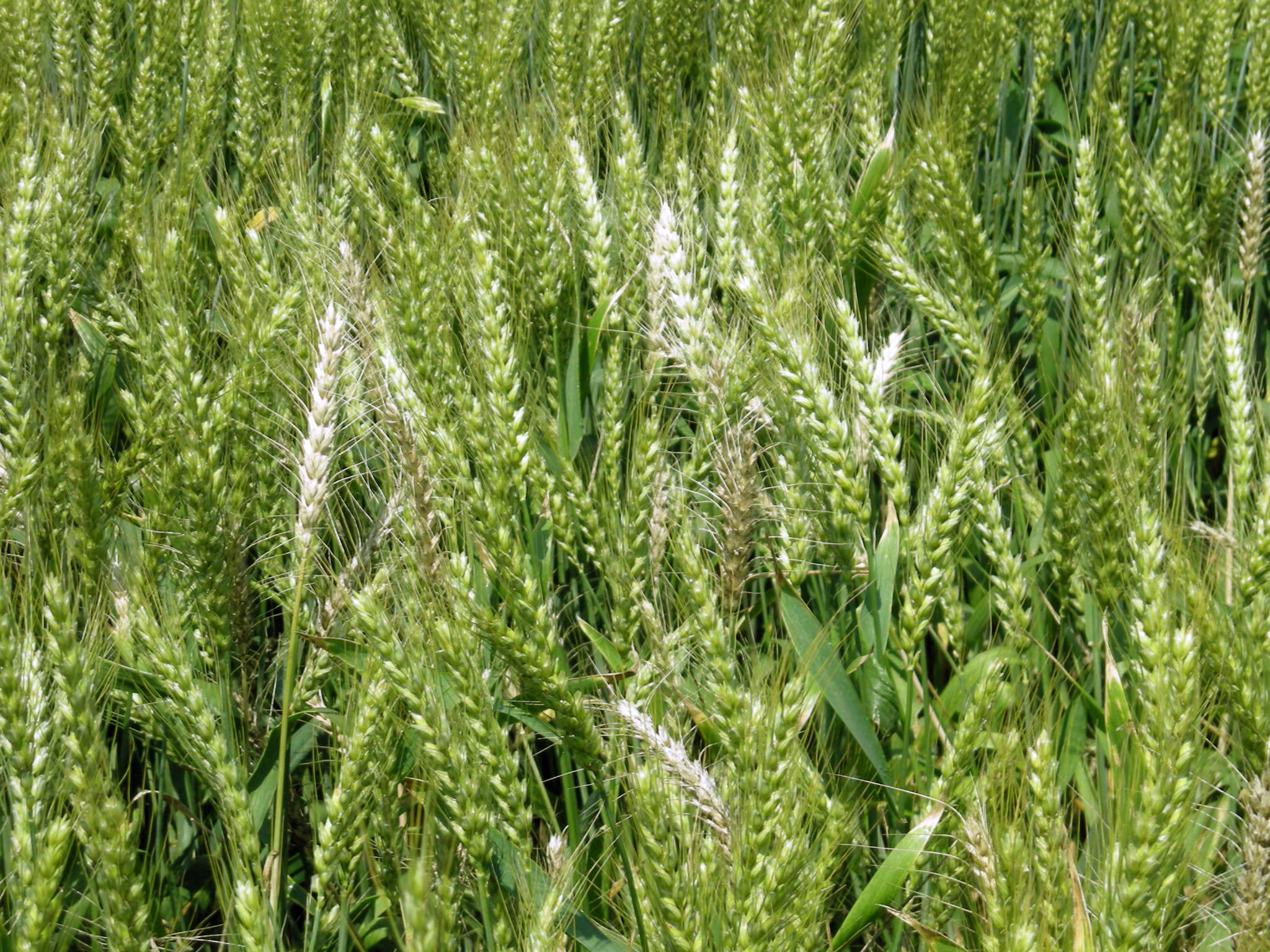
- Monitor and take note of whiteheads and basal browning as the crop matures. This will help make decisions with regard to your rotation and crop choice next year.
Post-harvest
- PreDicta B testing is the most accurate way to understand crown rot levels in your fields.
- Grass weed control in fallow: barnyard grass is a host for crown rot.
Victrato is a genuine tool, not a silver bullet. Use it in conjunction with the other tools you have available to address the problem: rotation and varietal selection. And use a PreDicta B test where you are unsure of your risk.
Good luck with the 2026 program.
Jeremy and Keeley
Dawson Agriculture
Prepared April 2026. Figures indicative, based on publicly available Australian trial evidence (GRDC, NSW DPI, AMPS Research, APVMA, Syngenta Australia). Confirm grain pricing and product cost with your supplier and grain trader at the time of decision.