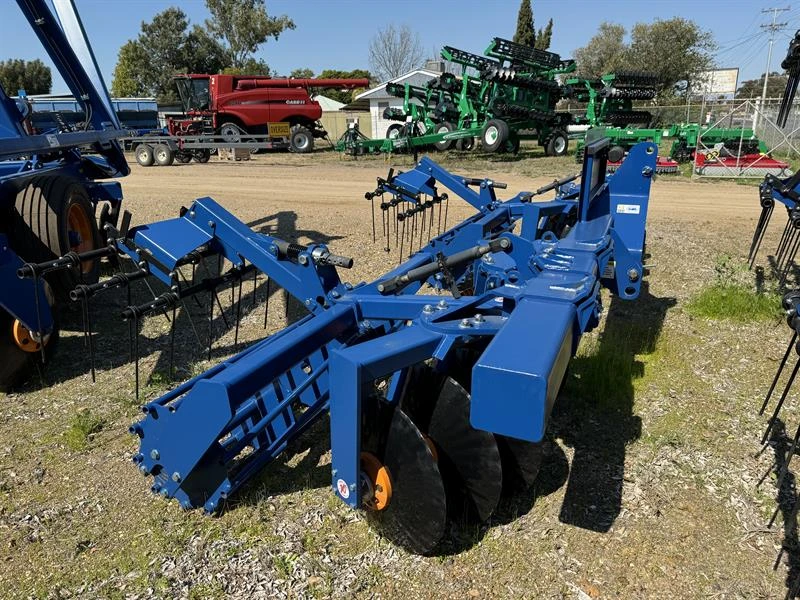
Before seed goes in the ground, the soil needs to be ready. Soil testing is essential for ensuring paddocks are prepared to support strong establishment and reliable growth. In areas like Withcott and the wider Lockyer Valley, soils work hard through drought, intense rainfall events, grazing pressure, and repeated cropping. Over time, nutrient levels change, soil pH shifts, and soil structure can break down without visible warning signs.
Planting into poor or unbalanced soil often results in reduced germination, slow pasture establishment, uneven crop growth, and wasted time and money. This is why soil testing is essential before planting—it provides clear, measured data to guide decisions and reduce risk.
Soil testing is essential because it removes guesswork. Instead of relying on assumptions or historic practices, farmers can plant with confidence knowing their soil conditions are understood and managed correctly.
In this guide, we explain why soil testing is essential before planting, what soil testing measures, how it supports better crop and pasture performance, and why it is especially important for local conditions in Withcott and the Lockyer Valley.
What Soil Testing Involves
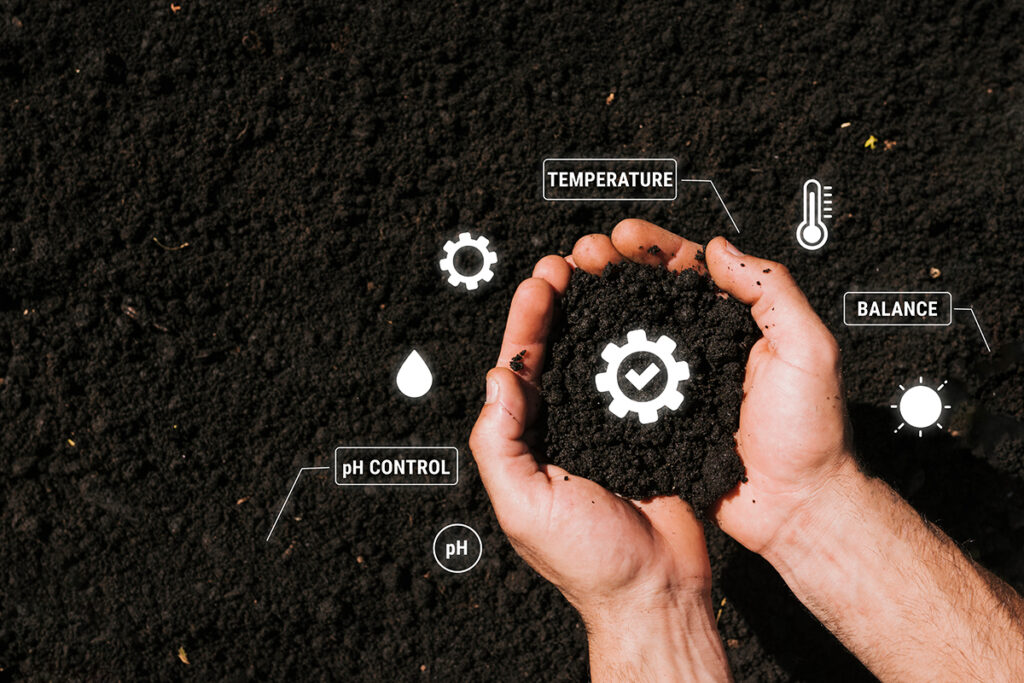
Soil testing is a straightforward process, but the outcomes are powerful. When done correctly, soil testing provides accurate insights into soil health, fertility, and limitations that directly influence plant growth.
A professional soil testing program typically includes:
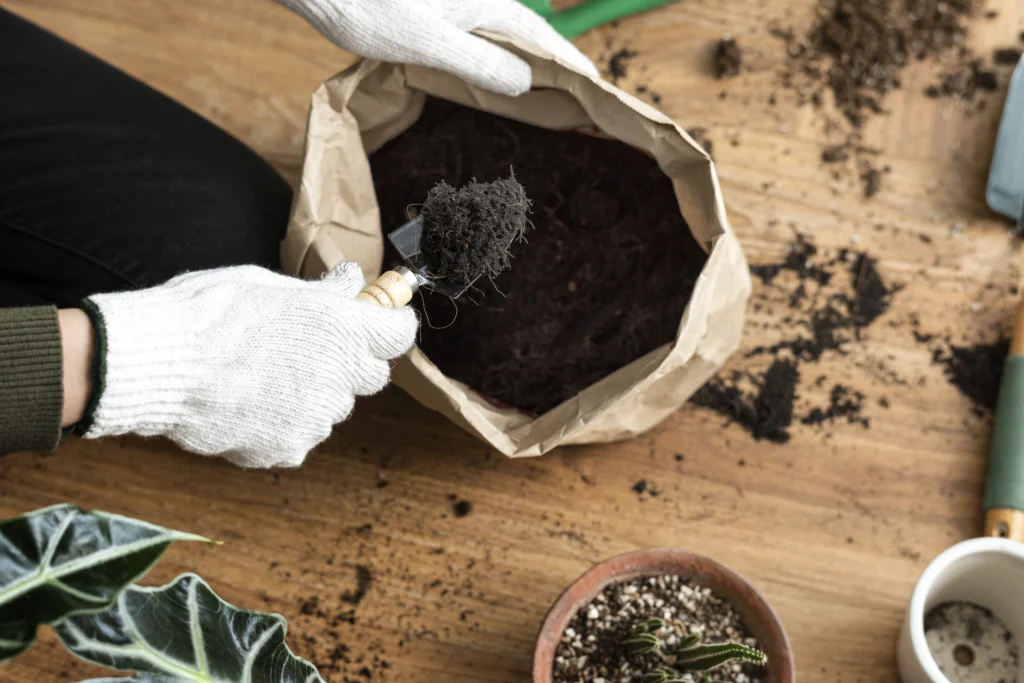
- Collecting soil samples from representative areas of the paddock
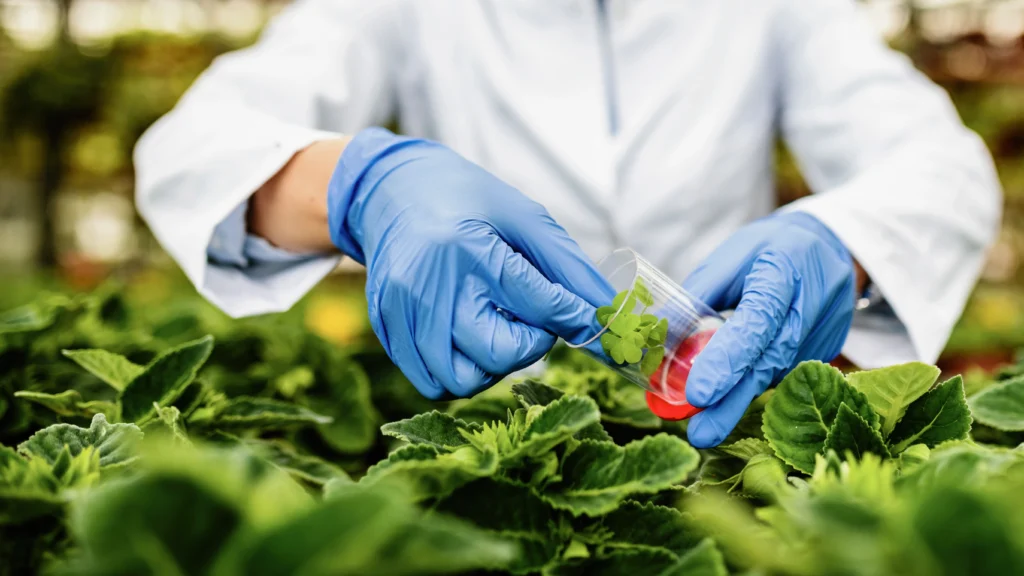
- Sending samples to a certified laboratory for analysis
- Measuring nutrient levels, soil pH, organic matter, salinity, and soil structure
- Receiving a detailed report with practical recommendations
Once soil testing results are available, a local agronomist can interpret the data and prepare a targeted plan for fertiliser, lime, gypsum, or pasture selection based on the exact needs of the soil.
Once results are available, a local agronomist can prepare a plan for fertiliser, lime,
gypsum, or pasture selection based on the exact needs of the soil.
Why Soil Testing is Essential Before Planting
Avoid Planting into Problem Soil
Pasture or crop failure often has little to do with seed quality. In many cases, the problem starts underground. Soil testing is essential before planting because it identifies hidden constraints that limit establishment and early growth.
Soil testing can identify:
- Soil acidity or alkalinity (pH imbalance)
- Low fertility or nutrient deficiencies
- Poor organic matter levels
- Compaction restricting root development
- Salinity or sodicity issues
- Trace element deficiencies
Identifying these issues early allows farmers to correct them before planting, ensuring seed has the best possible environment to germinate and establish.
Correct Nutrients for Better Germination
Plants need a balanced diet, just like livestock. Without the right nutrients available at the right time, crops and pastures struggle to reach their potential. Soil testing is essential for determining which nutrients are required and which are already present at adequate levels.
Key nutrients assessed through soil testing include:
- Nitrogen (N) for vegetative growth
- Phosphorus (P) for root development and early vigour
- Potassium (K) for stress tolerance and water regulation
- Sulphur and calcium for protein synthesis and soil structure
- Trace elements required in small but critical amounts
Without soil testing, fertiliser programs are often based on assumptions. This can lead to over-application in some areas and deficiencies in others. Soil testing ensures nutrients are applied accurately, supporting better germination and early growth.
Save Money on Fertiliser
Fertiliser is one of the largest input costs on most farms. Applying nutrients that are not required wastes money and can create long-term soil imbalances. Soil testing is essential for cost control because it ensures fertiliser inputs are targeted and efficient.
By identifying existing nutrient levels, soil testing helps farmers:
- Avoid unnecessary fertiliser application
- Focus spending where it delivers the best return
- Improve nutrient efficiency
- Protect soil health over time
Improved Pasture Establishment & Yield
Healthy soils support strong root systems and rapid establishment. Soil testing is essential for creating conditions that allow crops and pastures to grow evenly and consistently.
Benefits of soil testing include:
- Stronger root growth
- Faster pasture establishment
- Improved ground cover
- More uniform crop performance
- Reduced patchy growth
Over time, this leads to better yields, more reliable feed availability, and improved productivity.
Reduce Weed Pressure
Balanced soils promote strong crop and pasture growth, which naturally suppresses weeds. Soil testing supports weed management by ensuring nutrients are not favouring weeds over desired species.
Improved soil balance can reduce pressure from weeds such as pigweed, thistles, fireweed, and African lovegrass, lowering reliance on chemical control.
Withcott & Lockyer Valley Conditions Make Testing Even More Important
Local soil conditions vary widely across Withcott and the Lockyer Valley. Many farms experience:
- Highly variable soil types within the same paddock
- A long history of agricultural use
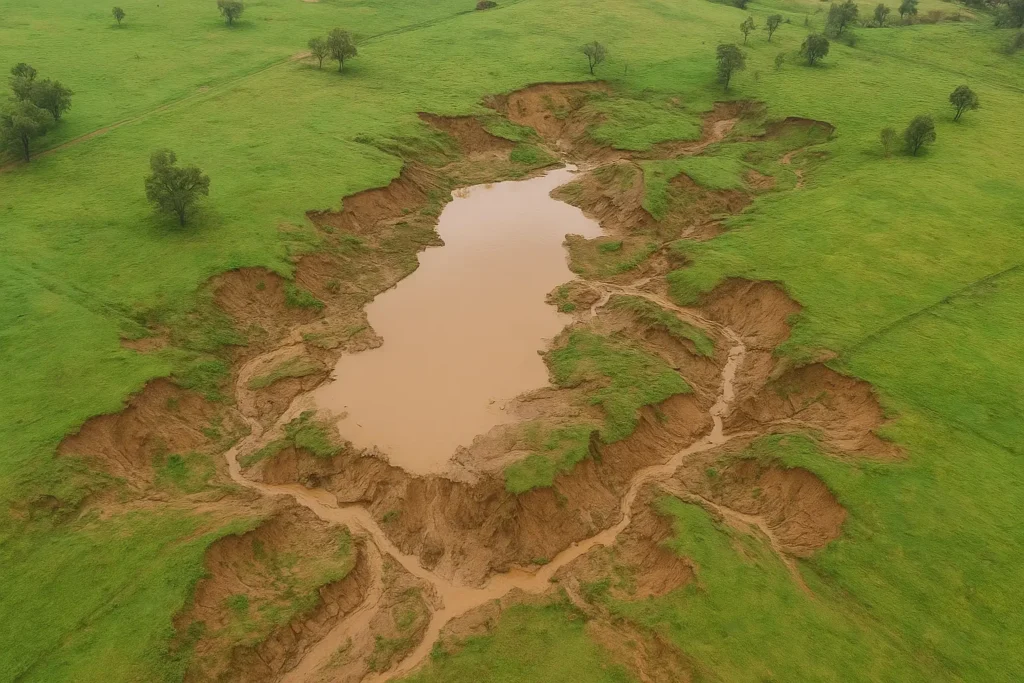
- Areas of compaction or erosion
- Extreme rainfall events or prolonged dry periods
Flooding and heavy storms can leach nutrients from the soil profile, while drought can limit nutrient availability. Soil testing after seasonal events provides a clear picture of what nutrients remain and what needs to be replenished before planting.

How Often Should You Test Soil?
To maintain productive soils, soil testing is essential on a regular basis. Most paddocks benefit from testing:
- Every 1–2 years
- Before planting new crops or pastures
- After major seasonal events
- When performance declines unexpectedly
Regular soil testing allows farmers to track changes over time and adjust management strategies proactively.
Case Study: Local Success
A Withcott property experienced inconsistent pasture growth and increasing weed pressure. Soil testing revealed low phosphorus levels and acidic soil pH, limiting nutrient availability.
By correcting these issues before planting, the property achieved:
- Improved pasture establishment
- Better feed availability
- Reduced weed pressure
- More consistent paddock performance
This example highl
Frequently Asked Questions
How much does soil testing cost?
Affordable and often saves money on fertiliser.
Do I need a sample frome every paddock?
Not alwaays – representative sampling is best.
How long do results take?
Usually 1–2 weeks.
Can you interpret results?
Yes, we provide recommendations
Book Your Soil Test in Withcott
Dawson Ag provides professional soil testing and agronomy support.
- On-farm sample collection
- Lab testing
- Clear results
- Practical plans
Contact us today to book a soil test before planting.
Conclusion
Soil testing is essential before planting. It identifies hidden constraints, guides fertiliser decisions, improves establishment, and reduces unnecessary costs. Healthy soils lead to healthy pastures, stronger crops, and better long-term productivity.
For growers in Withcott and the Lockyer Valley, investing in soil testing is one of the most effective steps toward sustainable and profitable farming.