Understanding soil nutrition and crop response is one of the most important foundations of profitable and sustainable farming. Every decision made in a paddock, from fertiliser application to crop selection, is influenced by how nutrients interact with soil and how crops respond to those nutrients throughout the season. When soil nutrition is managed correctly, crops grow more efficiently, yields become more consistent, and input costs are better controlled. When it is misunderstood or overlooked, even the best farming systems can underperform.
In modern agriculture, soil nutrition is no longer about simply adding fertiliser and hoping for the best. Rising input costs, variable seasons, and increasing pressure on soil health mean growers must understand what their soil contains, how nutrients behave, and how crops respond under different conditions. This knowledge allows for smarter decisions, improved efficiency, and long-term productivity.
This guide explores the fundamentals of soil nutrition, how crops respond to nutrients, why soil testing matters, and how growers can use this information to optimise crop performance season after season.
What Is Soil Nutrition?
Soil nutrition refers to the availability and balance of essential nutrients in the soil that plants need to grow, develop, and produce yield. These nutrients are absorbed by plant roots and play critical roles in photosynthesis, energy transfer, cell development, and overall plant health.
Soil nutrition is not just about the total amount of nutrients present in the soil. It also includes:
- How accessible those nutrients are to plants
- How nutrients interact with soil chemistry
- How environmental conditions affect nutrient uptake
A soil may contain high nutrient levels, yet crops can still show deficiencies if those nutrients are locked up, poorly balanced, or unavailable at key growth stages.
Essential Plant Nutrients and Their Roles
Plants require a range of nutrients to grow effectively. These are generally grouped into macronutrients and micronutrients.
Macronutrients
Macronutrients are needed in larger quantities and have a major influence on crop growth and yield.
Nitrogen (N)
Nitrogen drives vegetative growth, leaf development, and protein formation. Adequate nitrogen promotes strong early growth, but excess nitrogen can lead to excessive foliage, lodging, and reduced grain or fruit quality.
Phosphorus (P)
Phosphorus supports root development, early crop vigour, flowering, and energy transfer within the plant. Deficiencies often result in poor root systems and slow early growth.
Potassium (K)
Potassium is essential for water regulation, disease resistance, and stress tolerance. It plays a major role in improving crop resilience during dry or hot conditions.
Secondary Nutrients
Secondary nutrients are required in moderate amounts and are often overlooked.
Calcium (Ca)
Calcium contributes to cell structure, root development, and soil aggregation. It is also critical for maintaining soil structure and reducing compaction.
Magnesium (Mg)
Magnesium is a central component of chlorophyll and is essential for photosynthesis. Deficiencies can reduce plant energy production and overall vigour.
Sulphur (S)
Sulphur is vital for protein synthesis and nitrogen efficiency. Without adequate sulphur, nitrogen use efficiency drops significantly.
Micronutrients
Micronutrients are required in small quantities but are just as important as macronutrients.
Common micronutrients include:
- Zinc
- Copper
- Boron
- Manganese
- Iron
Micronutrient deficiencies can limit yield even when macronutrients are adequate, particularly in certain soil types or under specific seasonal conditions.
How Soil Properties Affect Nutrient Availability
Soil nutrition is strongly influenced by soil characteristics. Understanding these properties helps explain why crops may not respond as expected to fertiliser inputs.
Soil pH
Soil pH affects nutrient solubility and availability. Many nutrients become less available outside optimal pH ranges, leading to deficiencies even when soil tests show adequate levels.
- Acidic soils can reduce phosphorus availability
- Alkaline soils can limit micronutrient uptake
Maintaining balanced soil pH is essential for efficient nutrient use.
Soil Texture and Structure
Soil texture (sand, loam, clay) influences nutrient holding capacity and water movement.
- Sandy soils drain quickly and can lose nutrients easily
- Clay soils hold nutrients well but may suffer from compaction
- Well-structured soils balance nutrient retention and availability
Good soil structure improves root growth and nutrient uptake.
Soil texture (sand, loam, clay) influences nutrient holding capacity and water movement.
- Sandy soils drain quickly and can lose nutrients easily
- Clay soils hold nutrients well but may suffer from compaction
- Well-structured soils balance nutrient retention and availability
Good soil structure improves root growth and nutrient uptake.
Organic Matter
Organic matter plays a major role in soil nutrition by:
- Improving nutrient holding capacity
- Supporting microbial activity
- Enhancing soil structure
Higher organic matter levels generally lead to better nutrient cycling and crop response.
Understanding Crop Response to Nutrition
Crop response refers to how plants react to nutrient availability at different growth stages. Crops do not respond uniformly to fertiliser, timing, placement, and balance all matter.
Early Growth Stage
Early nutrition influences root development and crop establishment. Deficiencies at this stage can permanently limit yield potential, even if nutrients are applied later.
Vegetative Growth
During vegetative growth, crops require adequate nitrogen, phosphorus, and micronutrients to build biomass and leaf area. Nutrient stress at this stage can reduce photosynthetic capacity.
Reproductive Stage
Nutrient availability during flowering and grain or fruit fill is critical for yield and quality. Stress during this stage often leads to yield loss that cannot be recovered.
Why More Fertiliser Doesn’t Always Mean Better Results
One of the most common mistakes in nutrient management is assuming that higher fertiliser rates automatically lead to higher yields. In reality, crop response follows the law of diminishing returns.
Once crop nutrient requirements are met:
- Additional fertiliser may not increase yield
- Excess nutrients can be wasted
- Environmental risks increase
- Input costs rise without return
Balanced nutrition, not maximum application, delivers the best results.
The Role of Soil Testing in Nutrition Management
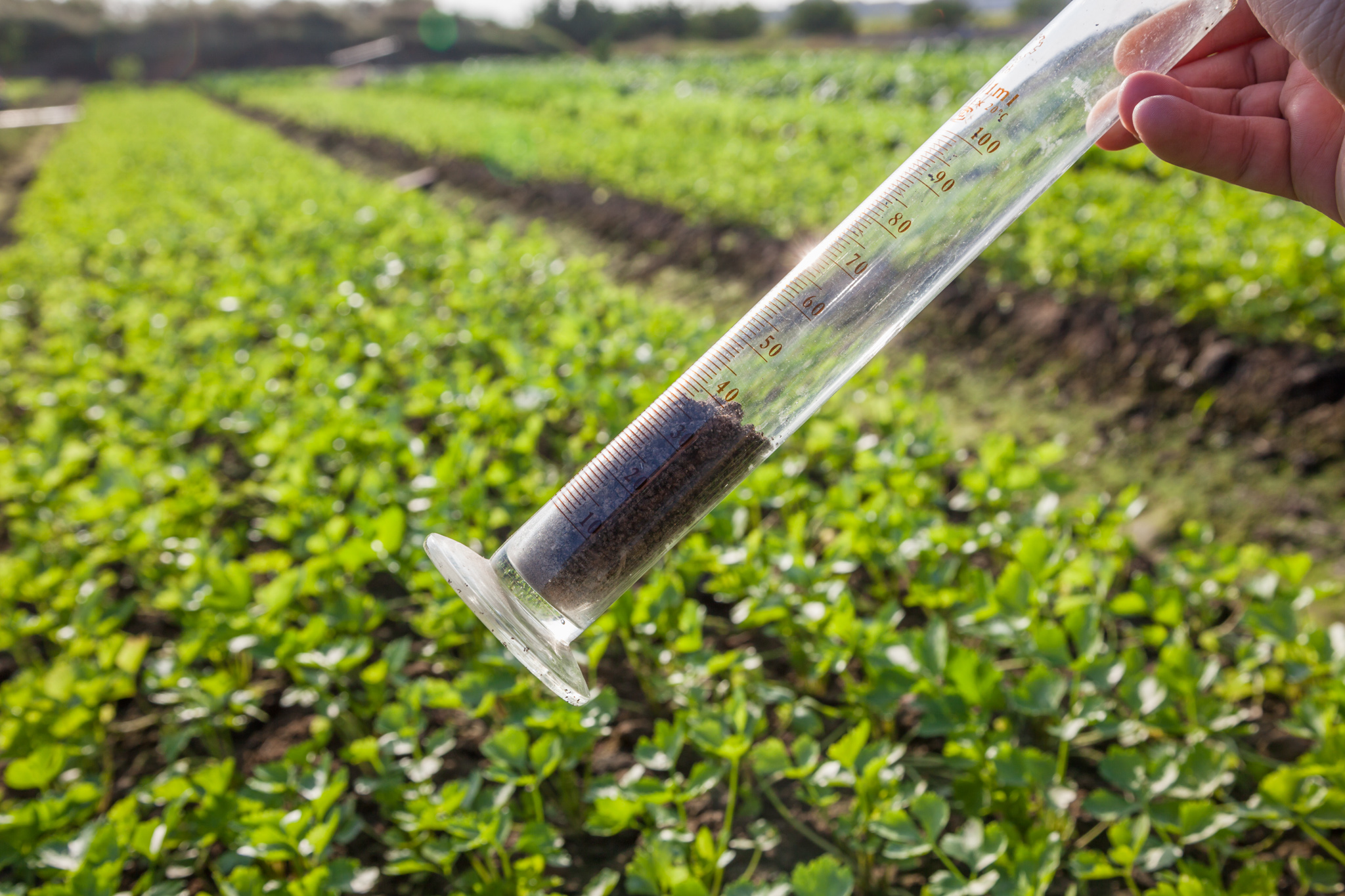
Soil testing provides the data needed to make informed decisions about soil nutrition. Without accurate soil data, nutrient management becomes guesswork.
What Soil Testing Reveals
Soil testing helps identify:
- Nutrient deficiencies and excesses
- pH levels
- Organic carbon levels
- Nutrient balance issues
This information allows fertiliser programs to be matched to actual soil needs rather than assumptions.
Linking Soil Test Results to Crop Response
Soil tests should be interpreted in the context of:
- Crop type
- Yield targets
- Seasonal conditions
- Previous crop history
Understanding how test results relate to crop demand is key to achieving a positive response.
Nutrient Interactions and Balance
Nutrients do not work in isolation. Interactions between nutrients can influence availability and uptake.
Examples include:
- Excess potassium reducing magnesium uptake
- High nitrogen demand increasing sulphur requirements
- Imbalanced calcium affecting soil structure and root access
Managing nutrient balance is essential for consistent crop performance.
Seasonal Conditions and Nutrient Efficiency
Weather plays a major role in crop response to soil nutrition.
- Dry conditions can limit nutrient uptake
- Excess rainfall can cause nutrient losses
- Temperature affects root activity and microbial processes
Nutrient strategies should be adjusted based on seasonal outlooks to protect efficiency and reduce risk.
Precision Nutrition and Modern Agronomy
Modern agronomy uses data and technology to improve nutrient efficiency and crop response.
These approaches include:
- Variable rate fertiliser application
- Zone-based nutrient management
- GPS-guided soil sampling
- Yield mapping
Precision nutrition ensures nutrients are applied where they are needed most, improving return on investment.
Improving Long-Term Crop Response Through Soil Health
Short-term nutrient application cannot replace long-term soil health management. Improving soil health enhances nutrient efficiency and crop response over time.
Key practices include:
- Building organic matter
- Reducing compaction
- Improving soil structure
- Encouraging biological activity
Healthy soils allow crops to access nutrients more effectively, even under challenging conditions.
Common Mistakes in Soil Nutrition Management
Some common issues that limit crop response include:
- Relying on outdated soil data
- Applying fertiliser without considering crop demand
- Ignoring micronutrient deficiencies
- Failing to adjust programs for seasonal conditions
Avoiding these mistakes can significantly improve outcomes.
Integrating Soil Nutrition Into Whole-Farm Planning
Soil nutrition should be part of broader farm management planning, not treated as a standalone task.
Integration includes:
- Aligning nutrition programs with budgets
- Planning inputs based on yield potential
- Adjusting strategies as conditions change
This approach leads to more resilient and profitable farming systems.
Final Thoughts: Turning Soil Nutrition Into Results
Understanding soil nutrition and crop response is essential for modern farming success. When growers understand what their soil contains, how nutrients behave, and how crops respond, they can make smarter decisions that improve efficiency and profitability.
Balanced nutrition, supported by accurate soil testing and informed management, delivers stronger crop performance, better resource use, and healthier soils. Rather than chasing higher inputs, the focus should be on smarter inputs that align with crop demand and seasonal conditions.
As farming continues to evolve, the growers who invest in understanding soil nutrition and crop response will be best positioned to protect yields, manage risk, and build long-term sustainability into their operations.