Accurate soil testing is the foundation of reliable farming decisions, helping growers understand what’s happening below the surface. Soil is the most valuable asset on any farm, yet it’s often the least understood. Many crop performance issues, uneven growth, poor nutrient response, and rising input costs, can be traced back to soil conditions. Professional soil testing provides the data needed to remove guesswork and replace assumptions with clear, practical direction.
At Dawson Ag, accurate soil testing is a core part of agronomy support for growers across Southern Queensland and Northern New South Wales. By combining accurate sampling, laboratory analysis, and local interpretation, soil testing becomes more than a report, it becomes a decision-making tool that directly impacts yield, efficiency, and long-term soil health.
What Is Accurate Soil Testing?
Accurate soil testing helps growers identify nutrient imbalances early, reduce unnecessary input costs, and plan fertiliser programs with greater confidence. Soil testing is the process of collecting soil samples from paddocks and analysing them to understand nutrient levels, pH, organic matter, salinity, and other physical and chemical properties. These results form the basis for informed fertiliser programs, crop selection, and soil management strategies.
Rather than applying nutrients based on habit or blanket recommendations, soil testing identifies what is already present in the soil and what is genuinely required. This allows growers to target inputs precisely, reducing unnecessary spend while supporting consistent crop performance.
Why Soil Testing Is Essential for Modern Farming
Farming conditions in Southern Queensland are highly variable. Soil types can change significantly within a single paddock, rainfall patterns are unpredictable, and input costs continue to rise. Under these conditions, relying on visual assessments or historic practices alone carries unnecessary risk. By using accurate soil testing, farmers can base decisions on measured data rather than assumptions, improving yield consistency and long-term soil performance.
Soil testing supports modern farming by:
- Providing objective, measurable data
- Reducing reliance on assumptions
- Improving nutrient efficiency
- Supporting sustainable soil management
Without testing, fertiliser programs often become reactive rather than strategic, leading to over-application in some areas and deficiencies in others. Accurate soil testing provides the confidence growers need to adjust inputs, manage variability, and make informed decisions across every season. Accurate soil testing gives growers confidence to manage variability, optimise inputs, and make informed farming decisions season after season.
Understanding What Soil Tests Measure
A comprehensive soil test looks beyond basic nutrient levels. Each parameter provides insight into how the soil will respond to management decisions.
Soil pH
Soil pH affects nutrient availability and root development. Even when nutrients are present, incorrect pH levels can limit uptake and reduce fertiliser efficiency. Identifying pH issues early allows for targeted lime or amendment strategies.
Macronutrients
Key nutrients such as nitrogen, phosphorus, potassium, calcium, magnesium, and sulfur are measured to guide fertiliser planning. Balanced nutrition supports stronger crop establishment and more reliable yields.
Micronutrients
Elements like zinc, copper, manganese, and boron are required in small quantities but can have a significant impact on crop health. Deficiencies are often overlooked without soil testing.
Organic Carbon
Organic carbon levels indicate soil health, structure, and nutrient cycling capacity. Improving organic matter supports long-term productivity and resilience.
Salinity and Sodicity
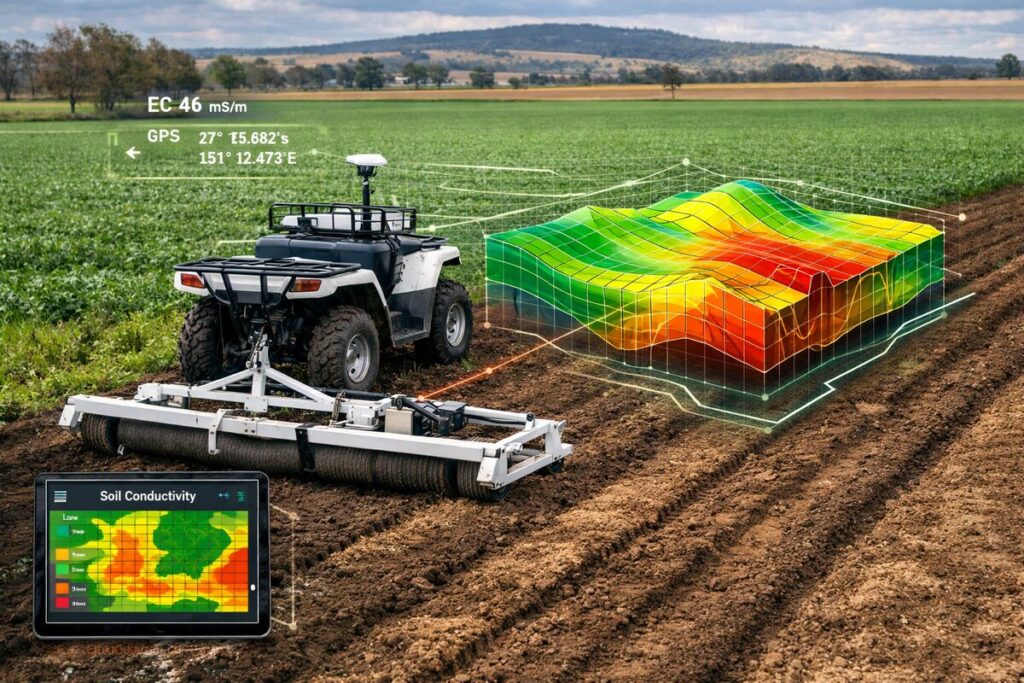
Salinity and sodium levels influence water movement and root growth. Identifying these issues early helps prevent long-term soil degradation.
The Role of Soil Testing in Yield Improvement
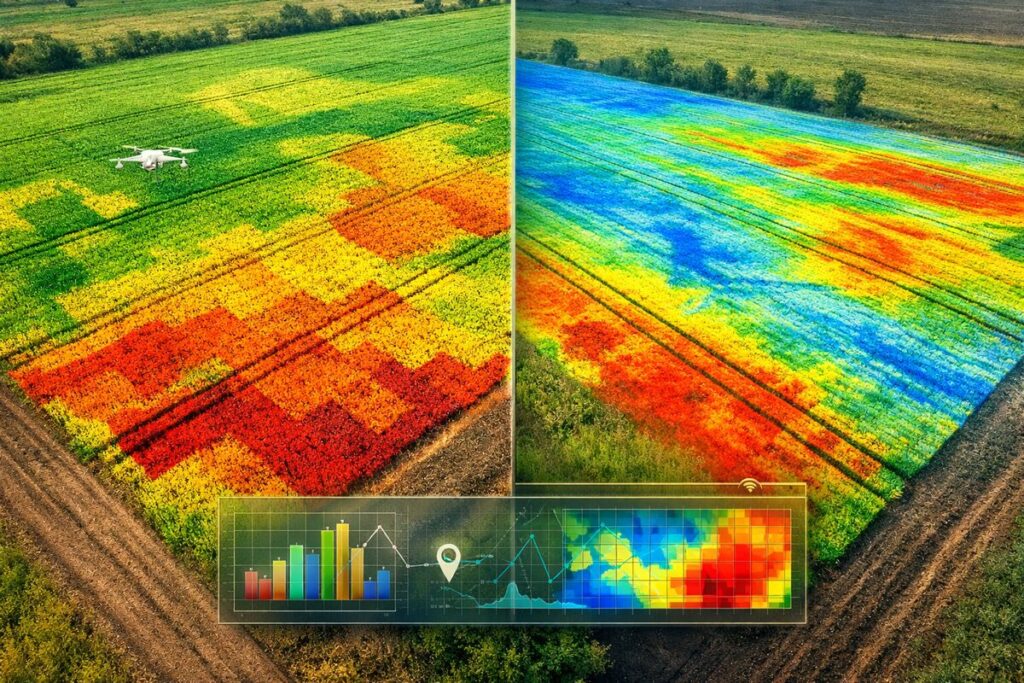
Yield variability is often linked to uneven nutrient availability or soil constraints rather than seed quality alone. Soil testing allows growers to identify limiting factors that restrict crop performance and address them before they impact profitability.
By understanding nutrient distribution and soil constraints, growers can:
- Match fertiliser rates to actual demand
- Improve crop establishment
- Reduce patchy growth
- Achieve more consistent yields across paddocks
Over time, this leads to better return on investment and improved confidence in management decisions.
Reducing Input Costs Through Targeted Nutrient Management
One of the most immediate benefits of soil testing is cost control. Fertiliser is a major operational expense, and unnecessary application adds cost without benefit.
Soil testing supports smarter input use by:
- Identifying nutrients already at adequate levels
- Preventing over-application
- Highlighting where inputs will deliver the best response
Rather than cutting inputs across the board, soil testing allows for informed adjustments that protect both yield and budget.
Soil Testing as Part of a Long-Term Strategy
Effective soil testing is not a one-off exercise. When conducted regularly, it becomes part of a long-term soil management strategy that tracks changes over time and supports continuous improvement.
Regular testing helps growers:
- Monitor nutrient trends
- Measure the impact of management changes
- Plan crop rotations more effectively
- Maintain soil health over multiple seasons
This long-term view is essential for maintaining productive soils in variable climatic conditions.
When Should Soil Testing Be Conducted?
Timing plays a critical role in the value of soil testing results. While testing can be conducted at various times, certain periods provide clearer insights for planning.
Pre-Planting
Testing before planting allows fertiliser programs to be adjusted in advance, supporting stronger early crop development.
Post-Harvest
Post-harvest testing helps assess nutrient removal and informs replenishment strategies for the next season.
When Performance Declines
If yields drop or crops show inconsistent growth, soil testing can identify underlying issues that are not visible at the surface.
How Dawson Ag Conducts Soil Testing
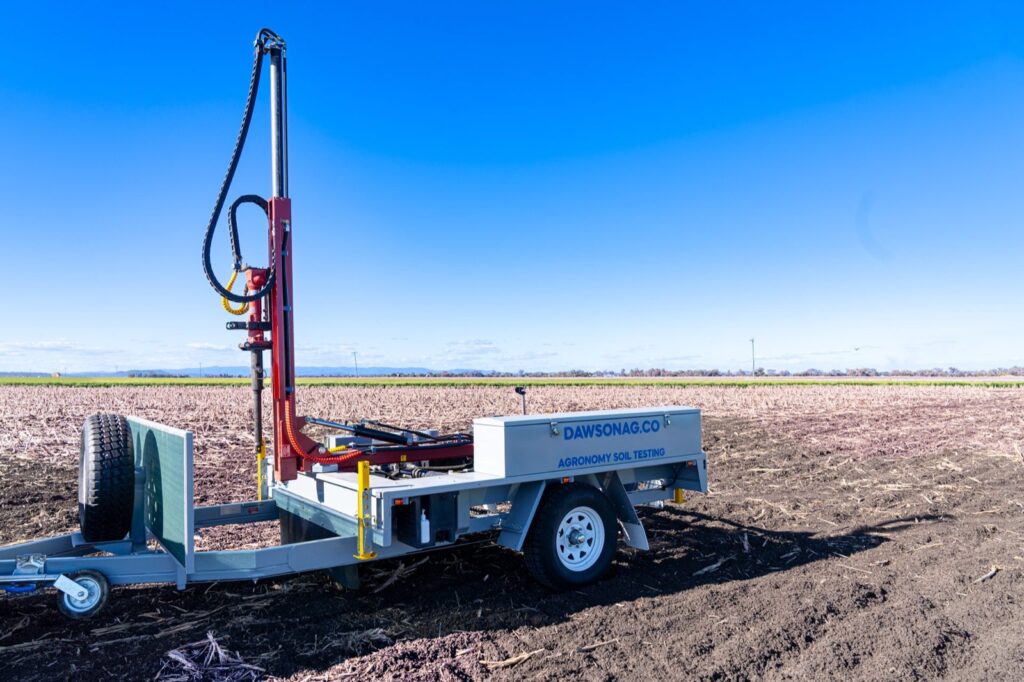
The value of soil testing lies not only in the laboratory results but in how those results are collected and interpreted. Dawson Ag follows a structured, practical approach designed for real farm conditions.
Strategic Sampling
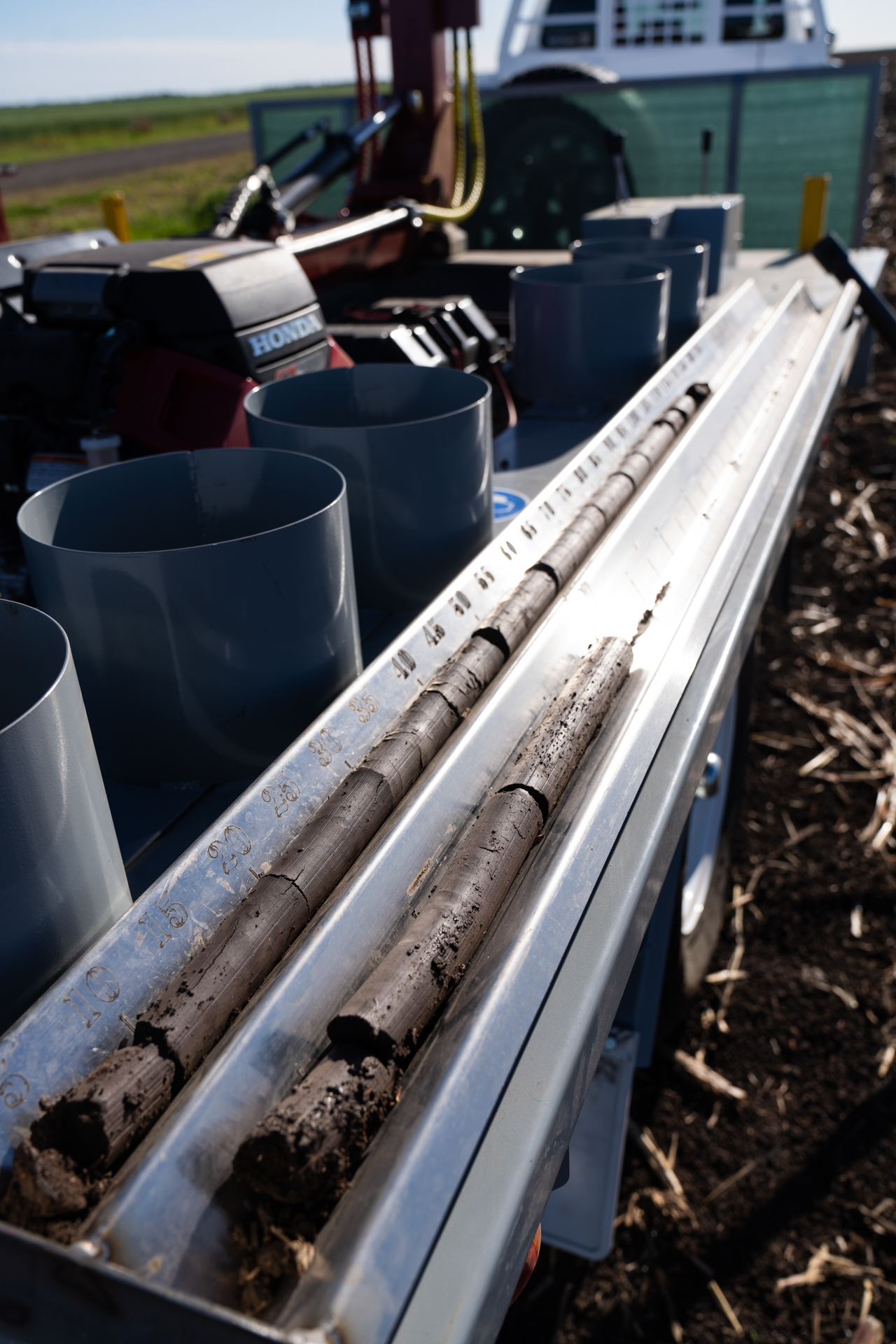
Soil samples are collected based on paddock history, soil type, and management zones to ensure results are representative and useful.
Laboratory Analysis
Samples are analysed through accredited laboratories using industry-standard methods for accuracy and reliability.
Practical Interpretation
Results are translated into clear recommendations that align with crop goals, seasonal conditions, and budget considerations.
Ongoing Agronomy Support
Soil testing is integrated into broader agronomy services, ensuring recommendations are implemented effectively.
Soil Testing and Sustainable Farming
Sustainability is increasingly important for both productivity and long-term land value. Soil testing supports sustainable farming by promoting efficient nutrient use and protecting soil structure.
Benefits include:
- Reduced nutrient runoff
- Improved soil biology
- Better water infiltration
- Long-term soil resilience
By understanding what the soil needs, and what it doesn’t, growers can protect their land while maintaining profitability.
Common Soil Testing Mistakes to Avoid
While soil testing is a powerful tool, its effectiveness depends on correct implementation.
Common mistakes include:
- Inconsistent sampling depth
- Poor sample location selection
- Ignoring historical data
- Focusing on results without interpretation
Working with experienced agronomists ensures soil testing data is accurate, relevant, and actionable.
Who Benefits Most From Soil Testing?
Soil testing provides value across a wide range of farming operations, including:
- Broadacre cropping enterprises
- Mixed farming systems
- Farms experiencing yield variability
- Operations seeking to reduce input costs
Regardless of scale, soil testing supports better decision-making and risk management.
Why Choose Dawson Ag for Soil Testing?
Dawson Ag combines local knowledge with independent agronomy expertise. Soil testing is approached as a practical tool, not a standalone report. Recommendations are based on data, field experience, and an understanding of regional conditions.
With over 25 years of agronomy experience, growers receive advice that is:
- Independent and unbiased
- Locally relevant
- Focused on practical outcomes
Frequently Asked Questions About Soil Testing
How often should soil be tested?
Can soil testing replace tissue testing?
Soil and tissue testing serve different purposes and are often most effective when used together.
Does soil testing guarantee higher yields?
While results depend on many factors, soil testing significantly improves the likelihood of achieving consistent, efficient yields.
Making Better Decisions Starts With the Soil
Soil testing provides clarity in an increasingly complex farming environment. By understanding what’s happening beneath the surface, growers can make informed decisions that protect yield, reduce waste, and support long-term productivity.