
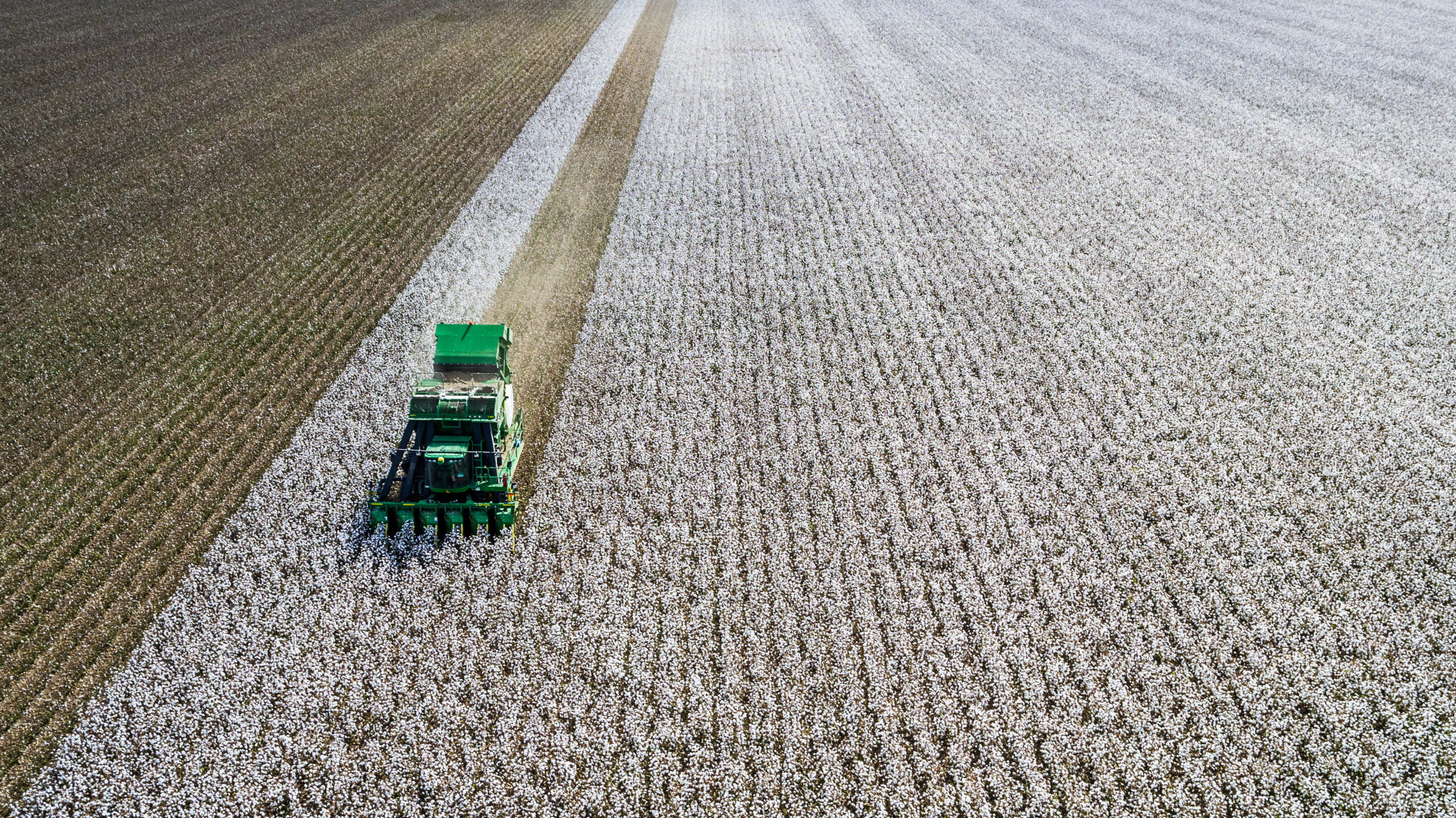
Why cotton is different
Cotton plays by its own rules.
A cotton crop will not forgive the calls you can get away with on wheat or chickpea. Heat, water demand, nitrogen timing, defoliation windows and disease pressure all sit on a tighter rein, and the margin for getting it wrong is bigger than any other broadacre crop on the Downs.
What that looks like paddock by paddock:
- Heat and water stress through flowering and boll fill. Two or three days of stacked 38 degree heat at the wrong growth stage will pull the top off your yield, and the call on whether to push another irrigation, dial back nitrogen or hold steady is rarely obvious from the road.
- Nitrogen timing and splits. Cotton is the most expensive crop you grow per hectare in fertiliser, and industry nitrogen use efficiency is poor. Get the splits wrong and you have either burned money or capped your top-end yield, and you do not find out until ginning.
- Defoliation windows. The window between optimum defoliation and a paddock that picks badly is a matter of days. The difference between the two is read off the crop, not off a calendar.
- Cotton-specific disease pressure. Verticillium wilt, fusarium, black root rot and seedling diseases each carry their own variety, rotation and seed-treatment calls. None of them are cereals problems and none of them respond to cereals thinking.
- Continuous cotton on tired country. Soil health declines under back-to-back cotton are slow to show and quick to compound. By the time the yield curve flattens, the soil has been telling the story for three seasons.
This is why cotton growers across the MacIntyre Valley and Darling Downs cotton country put a separate set of eyes on the crop. The agronomic calls are denser, the cost of getting them wrong is higher, and the room to recover inside a season is narrower.
Our cotton consulting service
Pre-plant to post-harvest, paddock by paddock.
A full-season independent cotton consulting service for irrigated and dryland cotton operations from Goondiwindi through to Moree. One agronomy engagement covering the four windows where the season is actually decided.
- Pre-plant planning. Variety selection against soil type, rotation history and disease pressure. Row configuration. Pre-plant nitrogen and phosphorus calls written against your yield target, not last year’s program. Seed treatment and starter fertiliser specification.
- In-crop monitoring. Regular paddock-by-paddock checks through squaring, flowering and boll fill. Insect, disease and physiological stress reads written up after every visit. You receive a written record, not a verbal summary you have to remember from a tail-gate conversation.
- Nitrogen and defoliation calls. In-season nitrogen splits sized to actual crop demand and what the soil is carrying. Defoliation timing read off the crop, the weather and the harvest window, with the chemistry call left as a generic decision rather than a brand recommendation.
- Harvest and post-harvest review. A written paddock-by-paddock review at the end of the season comparing yield, gross margin and agronomic call against the plan written at planting. The review feeds straight into next year’s rotation and variety calls.
- Benchmarking via the Paddock Performance Card. Every paddock gets a one-page post-harvest card so you can read your own paddocks against each other, and against the program, without spreadsheet work at your end.
Soil, nutrition and precision
Where the biggest cotton dollar actually sits.
Nitrogen is the single largest input cost on an Australian cotton farm and industry nitrogen use efficiency is demonstrably low. Soil and nutrition is where independent cotton agronomy earns its keep, and it is where Dawson Ag focuses the deepest technical work.
Two things sit underneath the in-crop work:
- Independent soil testing and nitrogen budgeting. On-farm soil sampling, multi-depth analysis through an independent lab, and a written nitrogen budget tied to your yield target. Done as a standalone service or as the foundation for a season-long consulting engagement.
- Variable-rate nutrition. Zone-based soil sampling, paddock-level prescription maps, and a rate plan that puts the inputs where the yield can respond to them. Dawson Ag is currently contracted by GRDC and SPAA on a two-year project scaling variable-rate adoption across Southern QLD broadacre systems, with the precision work feeding directly into how we set up cotton paddocks for in-season nitrogen splits.
For the deeper technical detail on soil testing, nitrogen budgets and variable-rate work in cotton specifically, see Cotton soil testing and nitrogen budgets. For the standalone testing service that sits underneath every cotton plan, see independent soil testing.
The cotton nitrogen call, live
Move the yield target. Watch the urea bill change.
Same paddock, same starting soil nitrogen. As the bale target shifts, the urea call shifts with it. This is the calculation that sits behind every Dawson Ag cotton fertiliser plan, written down on the page rather than hidden inside a reseller program.
- Nitrogen required
- 300 kg N/ha
- Soil nitrogen (0–90 cm, sampled)
- 80 kg N/ha
- Mineralisation
- 40 kg N/ha
- Total available
- 120 kg N/ha
Cotton at 25 kg N per bale, 0–90 cm soil profile. Soil nitrogen and mineralisation values illustrative only. Your numbers come from your test, your paddock, your yield target.
How we work with cotton growers
A full season, not a single visit.
Cotton consulting is a season-long engagement, not a paddock walk and an invoice. A standard year looks like this:
- Onboarding walk. A first paddock walk across the cotton country with the grower or farm manager. Soil tests scoped, rotation history captured, yield targets and irrigation set-up understood before a single plan is written.
- Pre-plant plan. A written plan covering variety, row configuration, pre-plant nutrition, irrigation strategy and disease management. Nothing in the plan is generic; every call is written against your paddock and your target.
- In-crop visit cadence. Through squaring, flowering and boll fill, paddocks get walked at the cadence the crop actually needs, typically weekly through the high-pressure windows and fortnightly when the crop is coasting. You receive a written report after every visit.
- Reporting tiers. An annual Soil Health Dashboard per farm, a pre-planting Seasonal Decision Brief per client per season, and a post-harvest Paddock Performance Card per paddock. Three deliverables, all visual, all designed to be read in five minutes.
- Post-harvest review. A sit-down at the end of the season with the dashboard, brief and cards on the table. What worked, what did not, and what carries into next year’s rotation.
One agronomist does not run the whole engagement on their own. The wider Dawson Ag team handles in-paddock work, soil testing logistics, reporting and client support, so one person out sick or on annual leave does not stall a client’s cotton season.
Experienced. Independent.
Experienced cotton agronomists, totally independent.
Most cotton advice in Australia is tied to a quota.
Ours isn’t.
Most cotton consultant work in Southern Queensland and Northern NSW comes tied to a reseller, a chemical line or a fertiliser supplier. Dawson Ag is none of those things. We do not sell you fertiliser. We do not sell you chemical. We do not sell you seed. What we sell is agronomy, nothing else, and that changes what lands in your inbox after every paddock walk.
Recommendations come from what your cotton crop, your soil and your season actually need, not from a quota sitting on a quarterly sales target. If the best call this round is cheaper product, less of it, or holding off entirely, that is what we will write down. That is what totally independent looks like in practice.
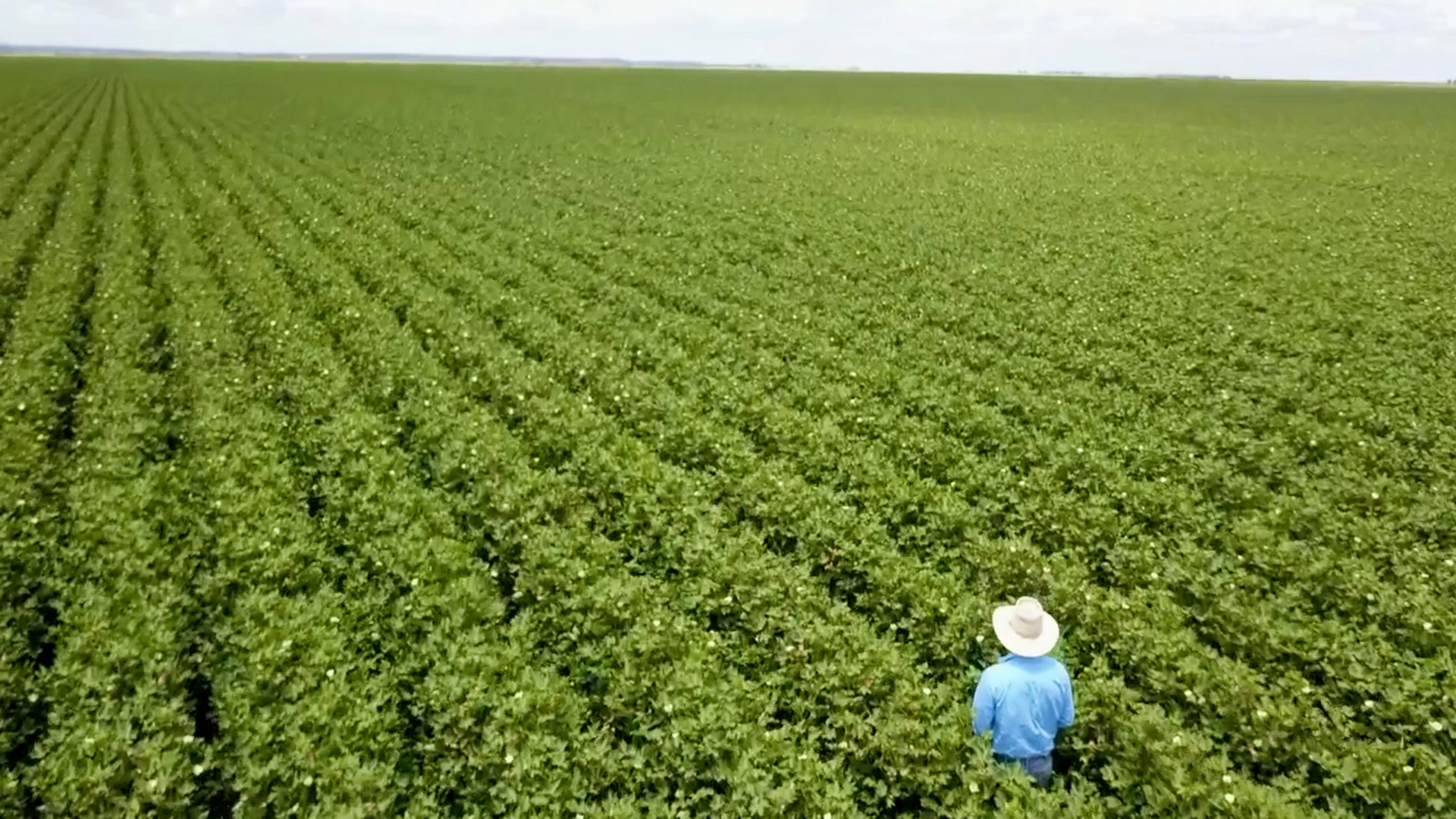
The technical depth behind the independence:
- Jeremy Dawson leads the cotton work. Bachelor of Rural Science and a Certificate in Rural Science (Cotton Production), both from the University of New England, plus 25-plus years of cotton and broadacre agronomy across the Downs and into Northern NSW.
- Active GRDC / SPAA research contract. A two-year project on variable-rate fertiliser decisions in Southern QLD broadacre systems, currently running. The precision work is not theoretical; it is on the ground, in commercial paddocks, this season.
- Experienced cotton agronomists across QLD and NSW. A team that walks cotton paddocks every week through the season, with the reporting and soil testing infrastructure to back the calls.
- No reseller or supplier alignment. No fertiliser quota, no chemical commission, no seed company contract. Independence is not a feature on the website; it is the structural call the business is built around.
Regions we cover
Cotton country, Southern QLD and Northern NSW.
Mobile cotton consulting across the irrigated and dryland country from the Darling Downs west and south into the MacIntyre and the Gwydir.
Goondiwindi
Cotton consultant work across the MacIntyre Valley irrigated belt and the dryland country north and west of town. Heavy clay soils, mixed rotation pressure, and irrigated cotton sitting alongside dryland sorghum and chickpea.
Darling Downs
Cotton consultant work across the largest cotton region in QLD. Irrigated cotton on the eastern Downs and dryland cotton expanding west through Cecil Plains, Dalby and Macalister country. Mixed rotation with wheat, barley and sorghum.
MacIntyre Valley
Cotton agronomist work across MacIntyre River irrigated allocations and overland flow harvested in storages. Black-soil cotton country with a deep history; the agronomic calls are about getting top-end yield out of paddocks that already know how to grow a crop.
Moree
The largest cotton hub in NSW, mixed irrigated and dryland. Cotton consultant support for growers running cotton in rotation with chickpea, wheat and faba beans, on country that responds hard to nitrogen and water decisions made early.
Narrabri
Gwydir and Namoi country with research depth at ACRI’s doorstep. Cotton agronomist work that sits alongside the science but is built for commercial paddocks and commercial yield targets, not trial-block answers.
St George
Cotton consultant work across Lower Balonne irrigated cotton plus expanding dryland cotton on the western Downs fringe. Variable allocations and a tight water budget make the per-hectare nitrogen call carry more weight than it does upstream.
Dirranbandi
Cotton agronomist support for bulk irrigated cotton on the Lower Balonne floodplain, often on long water-sharing arrangements. Big paddocks, big consequences when an early-season nitrogen or variety call goes the wrong way.
If you grow cotton across Southern QLD or Northern NSW and you are not sure we reach you, call and ask. The answer is usually yes.
Common questions
Common questions.
What does a cotton consultant actually do for my farm?
Walks your cotton paddocks through the season, runs soil tests, builds nitrogen budgets, reads pest and disease pressure, calls defoliation timing, and writes the recommendations down so you can act on them. Our cotton consulting work covers the whole season from pre-plant planning through to a post-harvest paddock review. Independent means we do not sell you any of the inputs, so the advice is the advice, not a sales pitch attached to a quota.
How is cotton consulting different from cereals or pulse agronomy?
The cost of getting it wrong is higher and the room to recover inside a season is narrower. Cotton sits on a tighter heat and water rein, the nitrogen call is bigger and more expensive, the defoliation window is days not weeks, and there is a separate set of cotton-specific diseases (verticillium, fusarium, black root rot) that do not come up in cereals work. The agronomic logic is similar; the density of the calls and the dollars riding on them is not.
Where in QLD and NSW do you work with cotton growers?
Across the cotton country of Southern Queensland and Northern NSW: Goondiwindi and the MacIntyre Valley, the Darling Downs from Cecil Plains through to Dalby, St George and Dirranbandi on the Lower Balonne, and into NSW around Moree and Narrabri. Both irrigated and dryland cotton. If you are growing cotton in the broader region and you are not sure we reach you, call and ask.
How often will you visit my cotton crop?
Cadence is set by the crop, not the calendar. Through the high-pressure windows around squaring, flowering and boll fill, paddocks typically get walked weekly. When the crop is coasting, fortnightly. You receive a written report after every visit so the call we made and why is on the record, not relying on what you remember from a yarn at the tail gate three weeks ago.
Do you do irrigated and dryland cotton?
Yes, both. Irrigated cotton across the MacIntyre, the Lower Balonne and the eastern Downs, and dryland cotton expanding west through the Western Downs and the Goondiwindi country. The agronomy is genuinely different between the two systems; the variety calls, nitrogen strategy and risk profile all shift, and the consulting work shifts with them.
How do you handle nitrogen decisions in cotton?
Independent soil testing through a NATA-accredited lab, a written nitrogen budget against your yield target, and in-season splits sized to actual crop demand and what the soil is carrying. Cotton nitrogen use efficiency is poor industry-wide, so the call we make is generally for less applied nitrogen than a default reseller program would specify, with the timing and placement working harder. The math goes on the page so you can see what the numbers are doing.
What does precision or VRT cotton agronomy actually mean?
Variable-rate nutrition, in plain language: zone-based soil sampling, paddock-level prescription maps, and a rate plan that puts the inputs where the yield can respond to them. We are currently contracted by GRDC and SPAA on a two-year variable-rate research project across Southern QLD broadacre systems, and the precision work feeds straight into how we set up cotton paddocks for in-season nitrogen splits. It is not theoretical; it is running this season in commercial paddocks.
How do I get started with Dawson Ag?
Give us a ring on 0484 058 231 or fill in the form. We will have a yarn about what you are growing, what you are trying to fix, and whether we are the right fit. If we are, we will come out and walk a cotton paddock with you before any plan gets written. The first conversation is a conversation, not a commitment.