Integrated agronomy services are becoming increasingly important as growers face greater pressure to improve productivity while managing seasonal uncertainty, rising input costs, and changing soil conditions. Across Southern Queensland and Northern New South Wales, many farming operations now rely on technical support, field data, and machinery planning to maintain reliable results throughout the year.
Integrated agronomy services are valuable because they connect several important parts of farm management into one practical strategy. Rather than focusing on isolated issues such as crop nutrition or weed control, this broader approach helps farmers understand how paddock conditions, machinery timing, and management decisions influence long-term productivity.
Modern farming success depends on making informed decisions before seasonal pressures begin. Crop selection, nutrient planning, residue handling, and soil preparation all affect crop performance. When these decisions are made together, farms often operate more efficiently and achieve stronger seasonal outcomes.
For growers working across broadacre systems, integrated agronomy services help identify practical opportunities for improvement while reducing costly mistakes that may affect productivity later in the season.
Why Integrated Agronomy Services Are Essential for Modern Farming
Agronomy has expanded well beyond simple crop recommendations. Today, integrated agronomy services involve analysing paddock conditions, reviewing crop history, evaluating seasonal risks, and helping growers create structured plans before planting begins.
Each paddock responds differently depending on soil type, previous crop rotation, moisture retention, nutrient levels, and weed pressure. Even neighbouring paddocks often require different management decisions.
Agronomy services help farmers assess:
- Soil nutrient balance
- Seasonal crop suitability
- Weed and pest pressure
- Moisture availability
- Planting opportunities
- Input efficiency
When these areas are carefully monitored, growers improve crop consistency while controlling unnecessary expenditure.
Agronomy advice also supports stronger timing decisions. The success of fertiliser application, weed control, and crop establishment often depends not only on what is applied but when it is applied.
For many growers, local agronomy guidance helps turn field observations into practical action that improves both immediate crop performance and long-term paddock condition.ations into practical action that improves both immediate crop performance and long-term paddock condition.
How Integrated Agronomy Services Use Farm Data to Improve Future Results
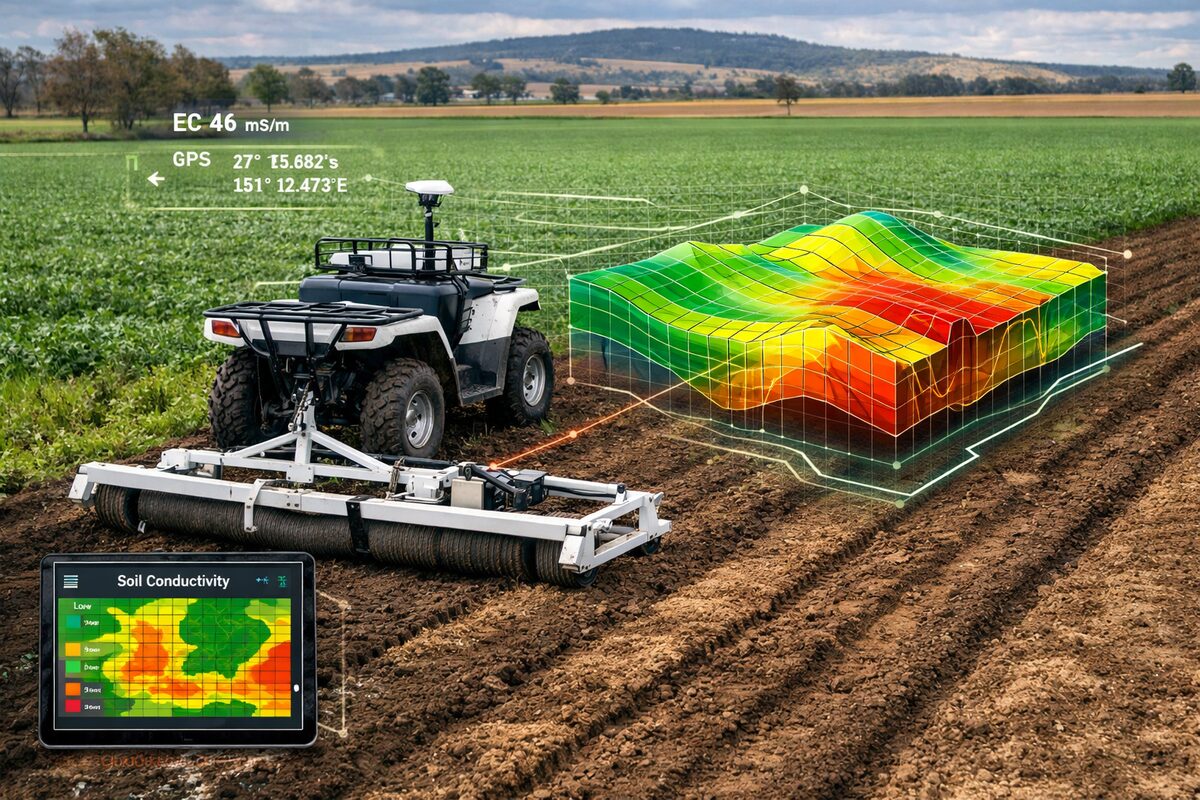
Before major cropping decisions are made, understanding soil condition beneath the surface is essential. Soil directly influences crop establishment, nutrient uptake, water movement, and root development.
This is why many growers begin each season with accurate soil testing to build a clearer picture of paddock condition.
Soil testing helps farmers measure:
- Nitrogen levels
- Phosphorus availability
- Potassium reserves
- Sulphur requirements
- Soil pH balance
- Trace element deficiencies
Without reliable soil data, fertiliser decisions often rely on assumptions, leading to unnecessary input costs or uneven crop response.
In many cases, paddocks that appear similar can produce very different soil test results. One area may require nutrient support, while another may already contain adequate reserves.
Integrated agronomy services often begin with accurate soil testing because nutrient decisions influence every stage of crop development.
Soil testing also helps identify low organic matter, pH imbalance, or compaction issues that may limit crop performance even when nutrient levels appear acceptable.
Why Crop Residue Management Matters Before Planting
After harvest, crop residue can either support the next season or create challenges if not managed effectively.
Residue left heavily across paddocks may restrict planting efficiency, delay soil warming, and encourage weed pressure. Proper residue management improves paddock preparation before the next crop cycle begins.
One practical solution is Kelly Chain hire for efficient weed control, especially for growers managing broadacre paddocks where speed and efficiency are critical.
Kelly Chains are designed to:
- Break down heavy stubble
- Flatten crop residue
- Reduce volunteer weeds
- Improve seedbed preparation
- Cover large paddock areas quickly
Unlike deeper cultivation methods, Kelly Chains manage surface material while limiting excessive soil disturbance.
Integrated agronomy services also help farmers decide when machinery such as Kelly Chains delivers the greatest seasonal benefit. occasionally, growers can access suitable equipment when seasonal timing demands it.
Managing Wheel Track Damage Before It Limits Productivity
Repeated machinery traffic often creates compaction zones that remain visible long after field operations finish.
Wheel tracks affect water infiltration, root development, and seed establishment, making them one of the most overlooked causes of uneven crop growth.
Compacted tracks often lead to:
- Water pooling after rainfall
- Poor root penetration
- Delayed germination
- Reduced crop uniformity
Using <mark>Grizzly Wheel Track Renovator Hire</mark> allows growers to repair traffic lines without disturbing the entire paddock.
This machinery helps:
- Break compacted wheel lines
- Improve drainage movement
- Restore seedbed consistency
- Reduce visible traffic impact
In paddocks where wheel lines remain untreated for multiple seasons, productivity losses become more noticeable.ng uniformity and water movement during key crop establishment periods.
Farm Management Brings Every Decision Together
Individual farm decisions rarely operate independently.
A fertiliser plan affects planting cost. Machinery timing influences crop establishment. Soil health impacts nutrient efficiency.
This is why modern farm management strategies remains a critical service for growers seeking stronger long-term results.
Farm management supports:
- Crop rotation planning
- Input budgeting
- Labour coordination
- Machinery scheduling
- Seasonal risk planning
- Paddock performance review
Rather than reacting to seasonal pressure after it begins, growers build structured plans that improve flexibility when conditions change.n.
Using Farm Data to Improve Future Results
Every season generates valuable data.
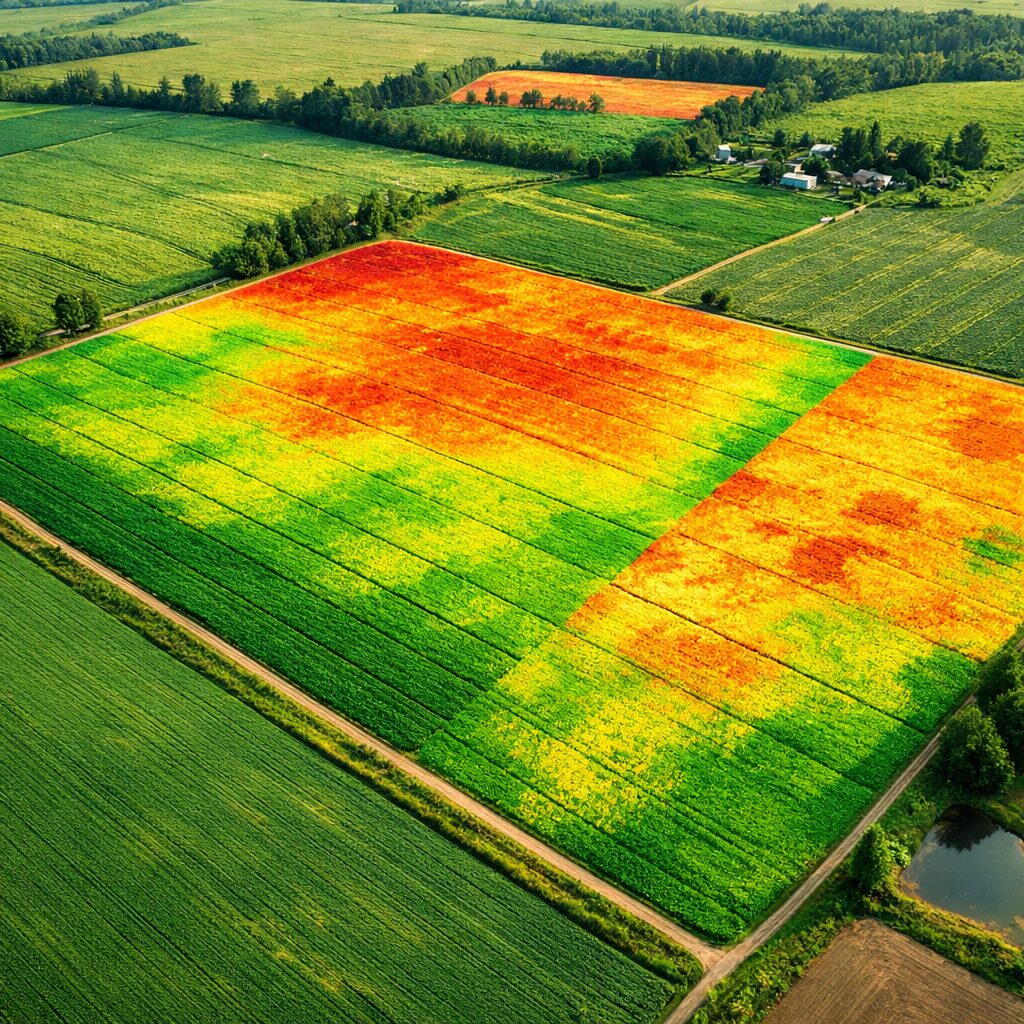
Yield maps, rainfall records, soil reports, and paddock observations all help improve future decisions when reviewed carefully.
Farmers increasingly use seasonal records to identify:
- Which paddocks consistently perform strongly
- Which areas struggle under pressure
- Where nutrient investment delivers stronger return
- Which machinery practices improve efficiency
Integrated agronomy services help interpret these patterns and turn field records into practical improvements.
Balancing Productivity With Long-Term Soil Health
Productive farms depend on healthy soil systems.
Even strong seasonal yields become difficult to maintain when soil structure begins to decline.
This is why long-term soil care remains central to modern farm planning.
Strong soil systems support:
- Better root development
- Improved nutrient retention
- Increased moisture storage
- Reduced erosion risk
Farmers often protect soil health through:
- Maintaining ground cover
- Reducing unnecessary disturbance
- Monitoring nutrient balance
- Rotating crops strategically
When soil remains healthy, crop establishment becomes more reliable even during challenging seasons.
Why Local Knowledge Improves Agronomy Outcomes
Southern Queensland conditions can vary significantly across short distances.
Rainfall patterns, soil types, and crop responses often differ between neighbouring districts.
This means local agronomy knowledge remains essential when making service recommendations.
Advisors with regional experience understand:
- Common nutrient limitations
- Seasonal rainfall trends
- Local crop performance history
- Machinery suitability for local paddocks
This improves practical decision-making because advice reflects local farming reality rather than general theory.
Building Long-Term Farm Efficiency Through Integrated Agronomy Services
TThe strongest farm improvements often come from combining several services rather than relying on one isolated change.
When growers use:
- Agronomy support
- Soil testing
- Machinery hire
- Farm planning
they build stronger systems that improve each season progressively.
This integrated approach helps farms become more resilient, efficient, and prepared for changing seasonal conditions.
Conclusion
Modern farming requires more than seasonal reaction. Productivity now depends on planning, data, machinery timing, and soil understanding working together.
Integrated agronomy services help farmers improve decisions across every stage of production, from soil testing through machinery preparation and long-term planning.
For growers across Southern Queensland and Northern NSW, combining these services creates stronger systems that support immediate crop performance and long-term farm sustainability.