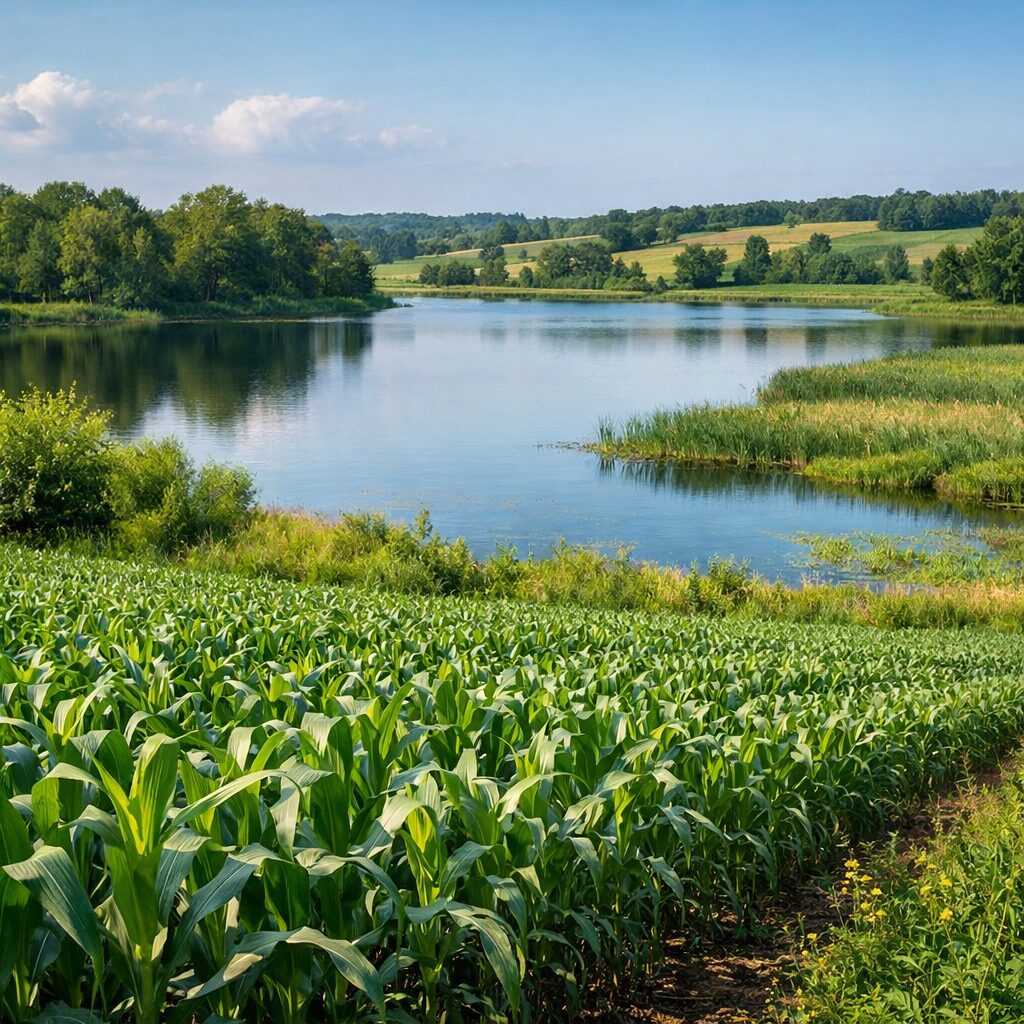
For growers grappling with tight margins and rising input costs, soil testing is not just a box to tick, it is the cornerstone of agronomic decision-making. At Dawson Agriculture, we emphasise that the soil is the foundation of every cropping and fertiliser decision, and understanding what you are working with allows you to apply the correct treatments despite higher input costs[1]. Without reliable data on nutrient levels, farmers risk over- or under-applying fertiliser, both of which erode profits.
Soil testing prevents waste and protects margins
Soil testing supports economic success because it prevents waste. GRDC research confirms that fertiliser inputs can represent up to 30 per cent of total variable costs in Australian cropping systems[2]. A 2025 GRDC study found that where differences existed between grower fertiliser rates and soil-test-based recommended rates, profits were greater where the rates were informed by soil tests[3]. That same study found 61 per cent of growers surveyed had done some soil testing in the previous season, with a similar proportion identifying soil testing as an action that increases profitability. In other words, soil testing turns guesswork into data-driven management, and the growers doing it are already seeing the results.
Fertility is not the same as productivity
Soil testing also highlights a crucial distinction: fertility versus productivity. A high fertility status means the soil contains ample nutrients, but it does not guarantee high yields. Productivity depends on factors such as soil structure, climate and water availability. A paddock may have strong nutrient levels yet still underperform due to sodicity, compaction or subsoil constraints. Soil tests reveal nutrient deficiencies and imbalances, while additional analyses (such as soil health tests) can uncover structural or biological limitations[4]. Recognising these differences helps growers invest in the right amendments, lime for low pH soils, gypsum for sodic profiles, or organic matter to improve structure, rather than merely adding more fertiliser.
Test before every crop, not every few years
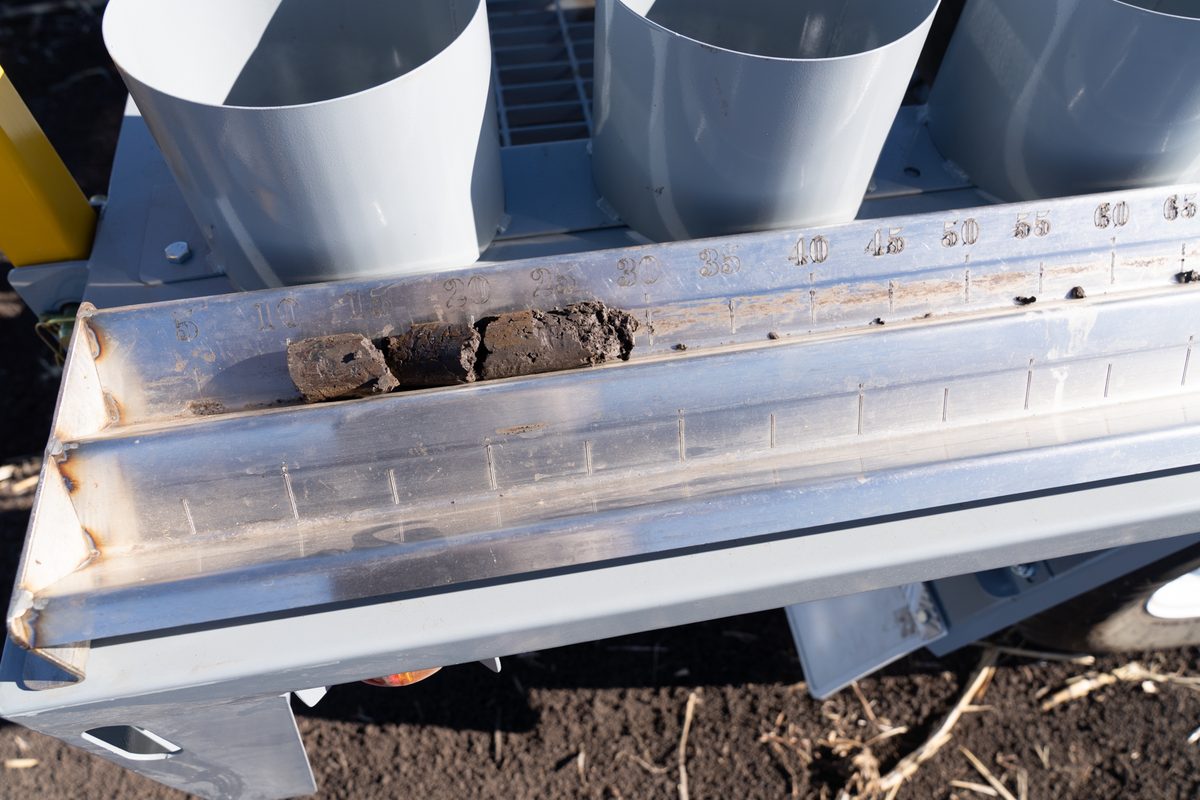
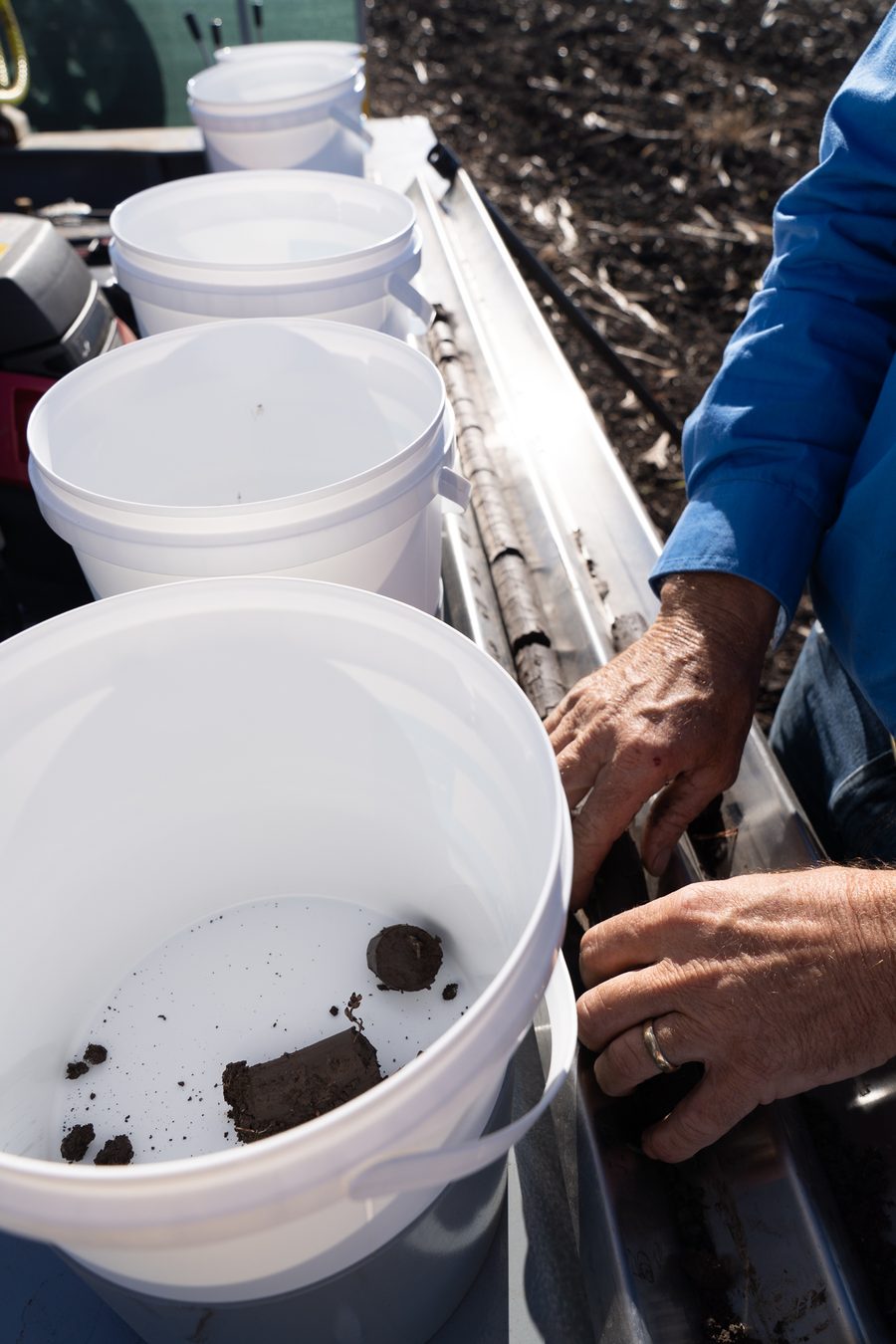
At Dawson Agriculture, we recommend soil testing before every crop is planted. Measuring deep soil nitrate nitrogen before planting identifies plant-available N levels, and paddocks with moderate to high residual N can have additional nitrogen omitted at planting, saving real dollars[5]. The GRDC recommends growers aim to test at least 20 per cent of their cropping paddocks per year as a minimum baseline[6], but for operations chasing precision and profitability, pre-planting tests on every paddock going into crop deliver the strongest return. When fertiliser prices remain elevated relative to historical averages, the cost of a soil test is a fraction of what you stand to save by getting the rate right.
Data is only useful if you can act on it
A soil report that sits in a filing cabinet is not worth much. The value of soil testing is in how quickly and confidently a grower can translate the numbers into paddock decisions.
The Dawson Agriculture Grower Dashboard, every soil testing client receives their results through a private, interactive view of every paddock we have tested with them. Results are plotted across depth increments and seasons, nitrogen budgets are built automatically against realistic yield targets, and gypsum, lime and fertiliser recommendations are surfaced paddock-by-paddock. You see where your profile is sitting, what is limiting yield, and what the crop actually needs to hit target.
The dashboards pull together soil results, planting records and crop performance so the data compounds season after season. That means fewer blanket rates, fewer guesses at planting, and a running view of how each paddock is trending. It is the difference between handing you a PDF of lab numbers and handing you a decision-ready plan.
Soil testing is also stewardship
Beyond profitability, soil testing is a stewardship issue. In Queensland, agricultural land contributes an estimated 87 per cent of dissolved inorganic nitrogen reaching the Great Barrier Reef lagoon[7]. By tailoring fertiliser rates to actual soil and crop requirements, growers not only protect their margins but also reduce nutrient runoff into waterways. Soil testing is a modest investment that yields economic, agronomic and environmental dividends, and it is the foundation upon which profitable and sustainable farming is built.
Ready to test before your next crop?
If you want to know exactly what is in your profile before the next planting window, get in touch. We cover broadacre country across Southern Queensland and Northern New South Wales, and every soil testing client gets access to their own Grower Dashboard.
Or request a sample dashboard to see what a real paddock report looks like.
References
- [1] Dawson Agriculture – Soil Testing Queensland
- [2] GRDC – Soil and plant testing for profitable fertiliser use (Feb 2020)
- [3] GRDC – Valuing soil and plant testing for agronomic decisions (Feb 2025)
- [4] Soilquality.org.au – Optimising soil nutrition (Queensland)
- [5] GRDC – Use soil testing to determine fertiliser requirements in the northern region (Feb 2022)
- [6] GRDC – Soil testing to determine fertiliser applications (May 2021)
- [7] QLD Government – Reef 2050 Water Quality Improvement Plan Report Card