Pasture renovation is one of the most effective ways farmers can improve forage productivity, livestock performance, and long-term soil health. Yet many pasture renovation projects fail to deliver lasting results, not because renovation doesn’t work, but because of avoidable planning and management mistakes.
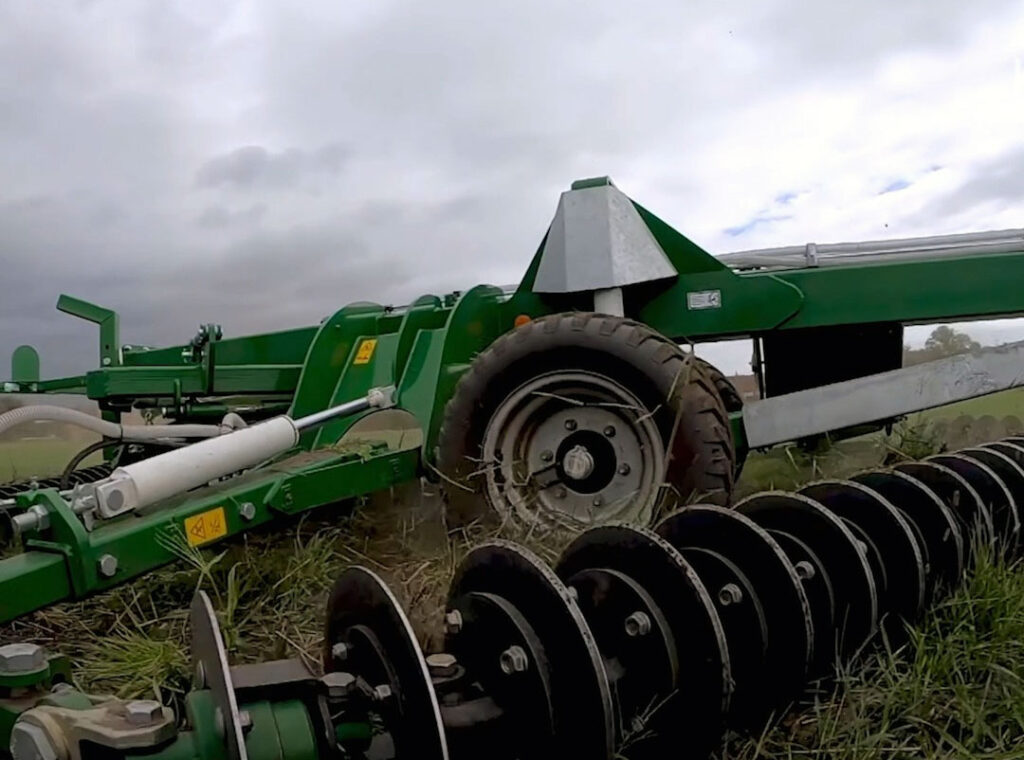
Using the right tools, testing your soil, and choosing proven renovation methods can dramatically improve results, whether that’s using equipment like a Kelly chain for pasture preparation, a Grizzly Renovator for pasture recovery, or building your program around proper soil testing.
1️⃣ Renovating Without a Clear Goal
Common Mistake:
Renovating a pasture simply because it “looks bad” without identifying the underlying issue.
Why This Fails:
Pasture decline can result from compaction, nutrient deficiencies, weed pressure, poor species selection, or grazing mismanagement. In summer-growing grasses, pasture dieback is another cause.
How to Avoid It:
Start with a clear objective before renovating:
- Increase carrying capacity
- Improve drought tolerance
- Boost livestock weight gain
- Reduce weed pressure
- Improve pasture persistence
If your goal is to mechanically improve pasture condition, equipment such as a chain harrow or light cultivator can help address surface issues and seedbed preparation when used correctly.
2️⃣ Skipping Soil Testing
Common Mistake:
Reseeding or fertilizing without understanding soil conditions.
Why This Fails:
Seed and fertiliser are often wasted when pH, nutrients, and soil structure are not corrected first.
How to Avoid It:
Conduct a comprehensive soil test before renovation and address:
- Soil pH
- Phosphorus and potassium
- Organic matter
- Compaction and drainage
For a deeper breakdown of how soil testing directly impacts pasture performance, see our guide on why soil testing is essential before any renovation work.
3️⃣ Choosing the Wrong Pasture Species
Common Mistake:
Selecting pasture species based on price, availability, or what neighboring farms use.
Why This Fails:
Pasture species must match both environmental conditions and management practices.
How to Avoid It:
Choose species that suit:
- Soil type
- Rainfall and climate
- Livestock class
- Grazing system
Correct species selection works best when combined with the right pasture renovation method to improve seed-to-soil contact and establishment.
Diversity improves resilience.
4️⃣ Renovating at the Wrong Time
Common Mistake:
Renovating when soil moisture, temperature, or seasonal conditions are unfavorable.
Why This Fails:
Even premium seed will fail to establish if conditions are poor.
How to Avoid It:
Time renovation to ensure:
- Adequate soil moisture
- Suitable soil temperatures
- Reduced weed competition
Mechanical renovation tools like a Grizzly Renovator for pasture recovery can be particularly effective when timed correctly to take advantage of moisture and reduced competition.
5️⃣ Failing to Control Weeds and Pests
Common Mistake:
Planting new pasture into existing weed or pest pressure.
Why This Fails:
Weeds and pests rapidly outcompete young seedlings, reducing establishment and persistence.
How to Avoid It:
Use an integrated weed and pest management approach before renovation:
- Strategic grazing
- Chemical or mechanical control
- Competitive forage species
Reducing weed pressure before using renovation equipment improves establishment and long-term pasture density.
6️⃣ Overgrazing New Pasture Too Soon
Common Mistake:
Allowing livestock to graze newly established pasture prematurely.
Why This Fails:
Young plants have shallow roots and weak crowns, early grazing can permanently damage or kill them.
How to Avoid It:
Delay grazing until:
Adequate leaf area is present
Plants are well anchored
Root systems are developed
7️⃣ Treating Renovation as a One-Time Fix
Common Mistake:
Assuming pasture renovation alone will permanently solve pasture problems.
Why This Fails:
Without proper management, even renovated pastures decline rapidly.
How to Avoid It:
Support renovation with ongoing management:
- Rotational grazing
- Regular soil testing
- Balanced nutrient programs
- Consistent weed control
Combining soil testing, correct equipment, and grazing management delivers the strongest long-term results.
Final Takeaway
Successful pasture renovation is about more than seed and fertiliser. Farmers who combine clear planning, soil science, correct timing, species selection, and disciplined grazing management consistently achieve:
- Higher forage yields
- Improved livestock performance
- Better drought resilience
- Increased long-term profitability
Avoiding these common pasture renovation mistakes will help ensure your investment delivers lasting results.