Cotton growers across the MacIntyre Valley and Darling Downs cotton country are spending more on nitrogen than almost any other input. The uncomfortable part is that a large share of it never makes it into the lint. Peer-reviewed Australian cotton research has consistently shown that roughly 47% of applied nitrogen is lost from the system before the crop can use it[1]. That is not a marginal inefficiency. It is close to half the urea bill walking off the paddock as gas, drainage, or denitrified loss. If you are running a 200 ha block at typical irrigated rates, the dollar figure is significant. This is the single biggest reason we push every cotton client toward a properly built cotton nitrogen budget rather than a rule-of-thumb rate.
The NUE problem in Australian cotton
Nitrogen use efficiency (NUE) in Australian cotton sits well below where it should be. Work published in the Journal of Cotton Research found that a substantial proportion of applied N, around 47%, is lost from cotton systems through volatilisation, leaching, and denitrification[1]. That research was not done on a fringe site. It reflects mainstream irrigated cotton conditions across the eastern grain and cotton belt.
The implication is straightforward. If you apply 300 kg N/ha and lose 47% of it, your crop is effectively working on something closer to 159 kg N/ha. The yield response curve flattens fast once the available N gets out of step with what the plant can actually access in season. You end up paying for fertiliser that never produces a bale.
Where the applied nitrogen actually goes
Three loss pathways do most of the damage in Australian cotton.
Volatilisation. Surface-applied urea on warm, moist soil with no incorporation can lose a meaningful fraction of its nitrogen as ammonia gas within days. The conditions cotton paddocks see at planting and in early summer side-dressing are exactly the conditions volatilisation thrives in.
Leaching. Heavy irrigation events or summer storm rain on wet soil push nitrate below the root zone. Once it is past 90 cm in a cotton profile, the crop will not see it again that season.
Denitrification. Saturated soil with available nitrate and warm temperatures, the standard post-irrigation condition on a cotton furrow, lets soil microbes convert nitrate to nitrogen gas. The N is gone, vented to atmosphere, with no plant uptake at all.
None of these pathways are exotic. They are baseline behaviour in a furrow-irrigated cotton system. The question is not whether they happen. It is how much you are letting happen by applying too much, too early, or in the wrong form.
Why rule-of-thumb N rates cost you money
“250 kg N/ha for an irrigated cotton crop” is a common starting point in conversation. It is also a fast way to overspend. That number ignores three things that matter:
What is already in the profile. A deep soil test to 90 cm regularly turns up 60 to 150 kg N/ha of residual nitrate, especially after a dry fallow or a poor previous crop. If you do not measure it, you pay for it twice.
What the season is actually targeting. A 10-bale dryland crop and a 14-bale irrigated crop have very different N requirements. Locking in a flat rate before you have a yield expectation is a coin toss.
Mineralisation. Soil organic matter delivers nitrogen during the season. In most cotton-country soils we work in, a reasonable mineralisation estimate sits around 40 kg N/ha across the season. That is real, free nitrogen, and a budget that ignores it inflates the urea order.
What a proper cotton N budget looks like
The maths is not complicated. The discipline is making sure each input is real rather than assumed.
N required (kg/ha) = yield target (bales/ha) x 25. An 11-bale target needs 275 kg N/ha of total available nitrogen.
Total N available = soil N (0-90 cm from soil test) + mineralisation (around 40 kg N/ha) + any starter or pre-plant already applied.
Urea required (kg/ha) = (N required – total N available) / 0.46. Urea is 46% N, so divide by 0.46 to get the product rate.
Two paddocks side by side can need very different urea rates once you run this properly. We have seen the residual N number alone shift a recommendation by 100 kg/ha of urea between blocks on the same farm. That is the difference a soil test makes against a rule of thumb.
Splits and timing for irrigated and dryland cotton
Splitting the application is the single most useful tool for clawing back NUE. Every kilogram of nitrogen sitting in the soil before the plant needs it is exposed to loss.
Irrigated cotton. Split the budget across pre-plant, early square, and first flower. Side-dressing into a moist but not saturated furrow, with incorporation by the next irrigation, is the lowest-loss window. Avoid dumping the full season’s N pre-plant. That puts the entire nitrogen pool in front of every loss pathway for months.
Dryland cotton. Splits are harder to time because you are reliant on rainfall. A pre-plant base plus an in-crop top-up timed to follow a substantial rain or irrigation event (enough to move the urea into the soil) usually works better than a single up-front rate. The risk of a pre-plant-only strategy is wasting urea on a crop the season then refuses to deliver.
The independence question in fertiliser advice
Here is the part that does not get said often enough. Most cotton agronomy advice in Australia comes from people who also sell fertiliser. That is not a personal criticism of any individual. It is a structural problem. When the rate goes up, their margin goes up. When the rate goes down, their margin goes down. Even with the best intentions, that pressure shapes recommendations over time.
Dawson Ag is totally independent. We do not sell fertiliser, chemical, or seed. We do not take rebates from anyone. The only thing we are paid for is the quality of the advice. If the right answer is 80 kg/ha less urea than the previous season, that is what we put in the recommendation. There is no second conversation we have to have with a head office about volume targets.
How we build the N budget
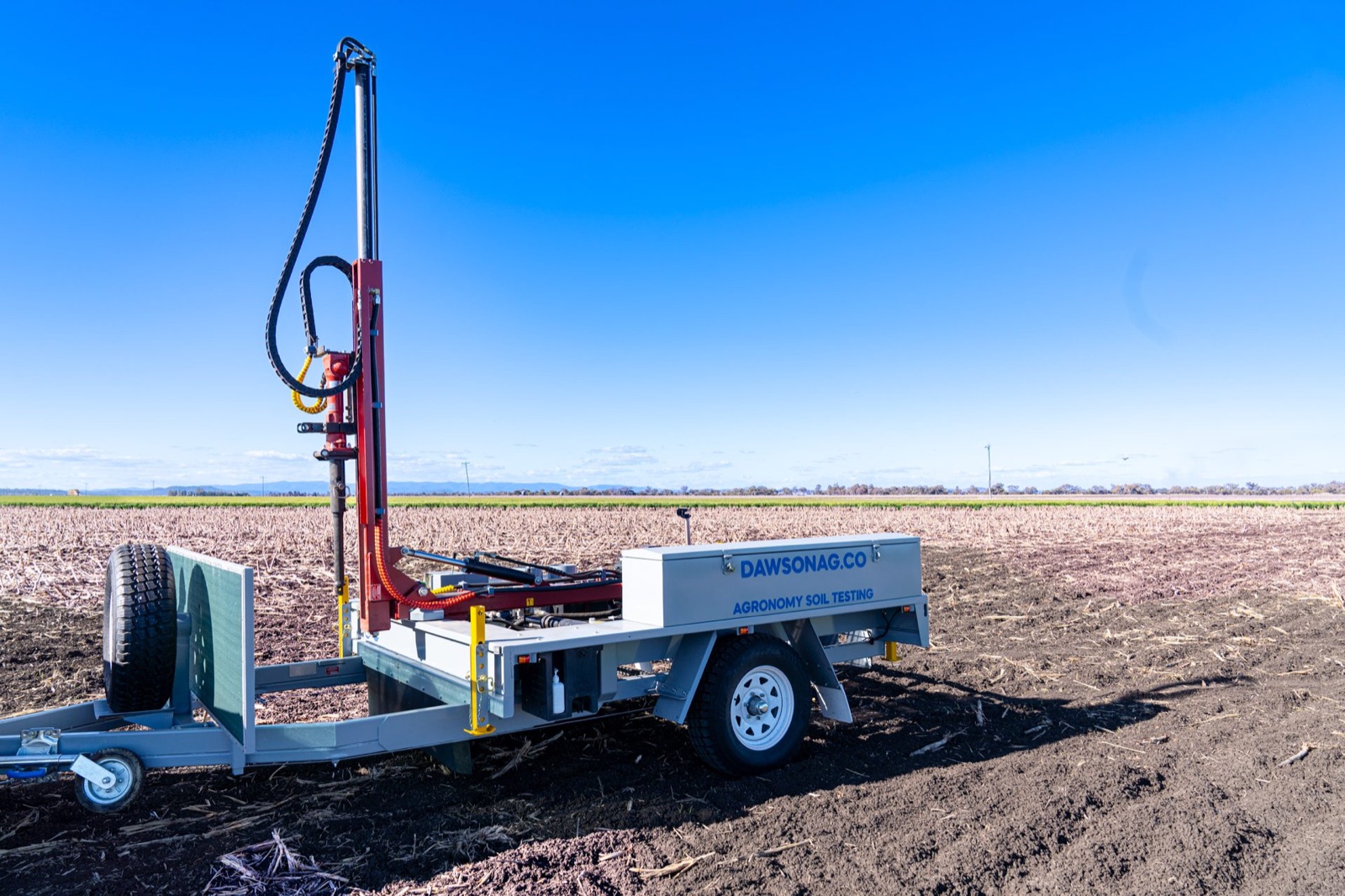
Improving cotton nitrogen use efficiency is the core job of every cotton N budget we build. For our cotton clients, the N budget sits inside a Tier 2 Seasonal Decision Brief delivered pre-planting. The brief takes the soil test result (deep core to 90 cm), the realistic yield target for the paddock and water situation, the mineralisation estimate based on soil type and rotation, and the planned splits. It outputs a urea rate, a timing plan, and a contingency for if the season turns wet or dry.
Jeremy Dawson runs the agronomy. UNE Bachelor of Rural Science, Certificate in Cotton Production, 25+ years in paddocks. We are experienced cotton agronomists across QLD and NSW, working from the Border Rivers through the MacIntyre Valley and into Darling Downs cotton country. Every N budget we write is built from the soil test up, not from a default rate down. Read more about how the cotton consultancy is structured if you want the full picture.
Build a cotton N budget with independent soil testing
If you are about to order urea for the 2026-27 cotton season, the cheapest decision you can make is the one before the order. A deep soil test plus a proper N budget routinely pays for itself several times over on the urea bill alone, and it makes the difference between paying for nitrogen the crop uses and paying for nitrogen the atmosphere uses.
Build a cotton N budget with independent soil testing. Talk to Jeremy about a pre-planting brief for your cotton blocks before the next nitrogen order goes in.
References
- [1] Nitrogen use efficiency in cotton: challenges and opportunities (Journal of Cotton Research) https://link.springer.com/article/10.1186/s42397-018-0015-9