Rain has stopped headers on many farms this harvest. The longer ripe grain sits in the rain, the higher the risk it sprouts in the head, and in the seed you keep, that can mean poor establishment next year. This is our advice, as independent agronomists across southern Queensland and northern NSW, on what to test, keep and plant.
The short version
- Test as the seed goes into the silo, and again later: one to two months into storage, and at least two months before planting.
- Vigour is the most important test. Weather-damaged seed can pass a germination test and still establish poorly in the paddock.
- Test sprung cereal seed before you decide. It can still grow. Shot seed, with a root or shoot showing, will not.
- Store cereal seed cool and dry: 12 per cent moisture or less, 20°C or less.
- Get a lab germination and vigour test before planting and set your planting rate from it.
Shot or sprung?
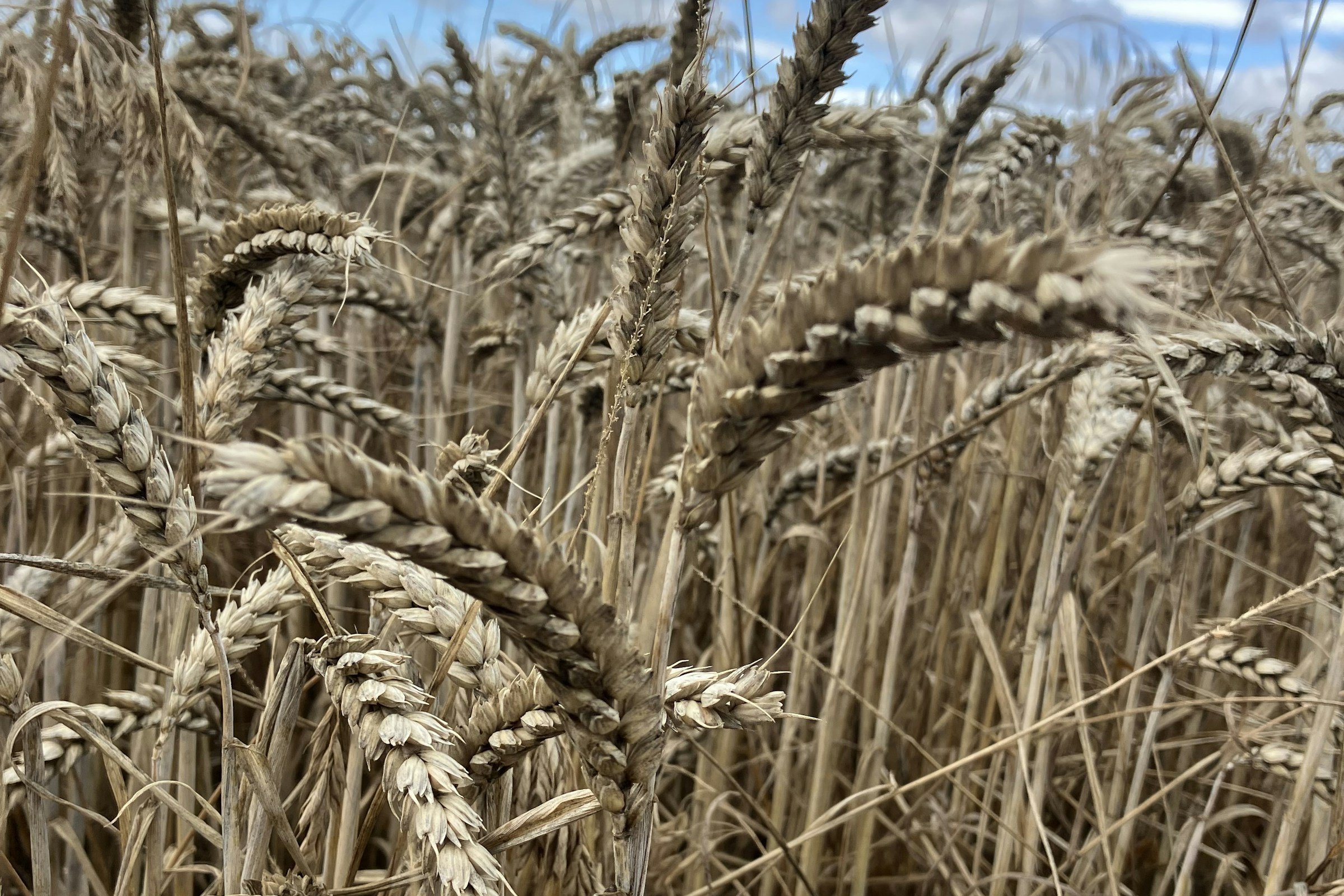
- Shot grain has a root or shoot showing and will not grow as seed.
- Sprung grain has taken up water, swollen and split the skin over the germ. If it dried out before the embryo started to grow, it can still be viable as seed, but vigour is often markedly reduced.
Falling number is not a seed test, but it can indicate lower quality seed, and a low result is a good reason to test the seed from that paddock.
When to test
Weather-damaged seed loses quality faster in storage, so test it more than once. Ideally, check germination at harvest, during storage and before planting.
- As the seed goes into the silo, so you know early whether it is worth keeping. Even a quick test of your own in damp paper towels is worthwhile.
- One to two months into storage, to check it is keeping its quality.
- At least two months before planting, so there is time to source fresh seed if you need it. This step is critical.
Vigour is the most important test
A germination test counts the seeds that produce a normal seedling in good conditions. A vigour test adds emergence through soil. Seed loses vigour before it loses the ability to germinate, so weather-damaged seed can pass a germ test and still establish poorly in the paddock.
You can order germination and vigour together, or vigour on its own, which costs less. When the results come back:
- Both germination and vigour should be at least 80 per cent.
- Germination alone is not a good indicator of crop establishment success if you suspect the seed could be of poor quality.
Taking a sample
- Test each seed lot separately. A different paddock, variety or year is a different lot.
- Take seed samples, preferably when moving seed rather than from the bottom of the silo.
- Do not sample from inside a silo. It is dangerous, and it is hard to get a fair sample that way.
- Get the sample to the lab quickly, and never leave it in a hot ute.
Planting weaker seed
- Do not plant it deep.
- Avoid cereal seed treatments that can reduce coleoptile length.
- Avoid paddocks that are prone to crusting.
- Grade out the small grain.
Deciding what to keep
- Keep grain harvested before the rain if you have it. If your seed paddock is still standing, harvest it as a priority, at about one per cent below the receival moisture standard.
- Keep the least affected grain from your cleanest paddocks, and store and label each lot separately.
- Do not keep seed from a crop that had glyphosate applied before harvest, whether to desiccate the crop or to spray-top weeds. Other desiccation and crop-topping sprays can affect seed quality too.
- Test last year’s carry-over seed too. It can be better than this year’s, or worse.
If you need to buy seed, start early and ask for a current seed analysis certificate. A neighbour cannot sell, trade or give you seed of a variety protected by Plant Breeder’s Rights for planting without the variety owner’s authorisation.
Chickpeas and faba beans
Treat chickpeas and faba beans in the same manner. Test shortly after harvest and then again prior to planting.
Where we can help
If you are keeping seed this harvest, talk to us before it goes into the silo. We can help you decide which paddocks and loads to keep, take the samples, send them to an accredited seed testing lab for germination and vigour, and build the results into your planting rates for 2027.
Call us on 0484 058 231, or get in touch with Dawson Agriculture.
Sources: GRDC, Retaining seed fact sheet: saving weather damaged grain for seed (December 2021); GRDC GrowNotes Grain Storage (2026); GRDC GrowNotes Wheat and Chickpea, northern region (2016 to 2018); GRDC Grains Research Update papers on seed quality, testing retained seed and storing planting seed (2019); GRDC GroundCover (2019); NSW DPI Pulse Point 20, Germination testing and seed rate calculation (2005); NSW DPI (then Industry & Investment NSW) Primefact 905, Weather damaged cereal seed (2010); NSW DPIRD, Winter crop variety sowing guide (2026); Agriculture Victoria, Retaining crop seed for sowing (2025) and Testing crop seed for sowing (2026); DPIRD Western Australia (2024); Pulse Australia chickpea guides (2015 and 2016); IP Australia; Australian Seed Federation (2025); Grain Central (2019 and October 2026). This article is general information, not a recommendation for any particular paddock, and results on your farm will vary.